SUGAR IN THE RIVER
8 x 60’ Epic Fantastical-Drama
Created by Sascha Drice
LOGLINE:
Through a divine entanglement, a young woman must help her ancestors fight in the Haitian Revolution if she hopes to return to her own timeline.
In a surveilled America and amid rampant immigration detainment, Roseline’s sister, Gabrielle, goes missing. In the wake of her sister’s disappearance, Roseline leaves her job at a well-known university and moves back to her Haitian childhood home in New England. The country is in a state of crisis. The current administration has caused chaos among the public, postponed elections, and is enacting a not-so-elusive dictatorship. As Roseline realizes the police have given up on finding Gabrielle and she herself is following their lead, mystical events continue to unfold. Roseline begins to believe Gabrielle is still alive somewhere. Through the forces of Vodou and ancestral veneration, Roseline finds Gabrielle in Haiti in the 1790s, where she later joins her in helping their ancestors fight in the Haitian Revolution against Napoleon’s French Army.
SYNOPSIS:
TWO WORLDS
APART
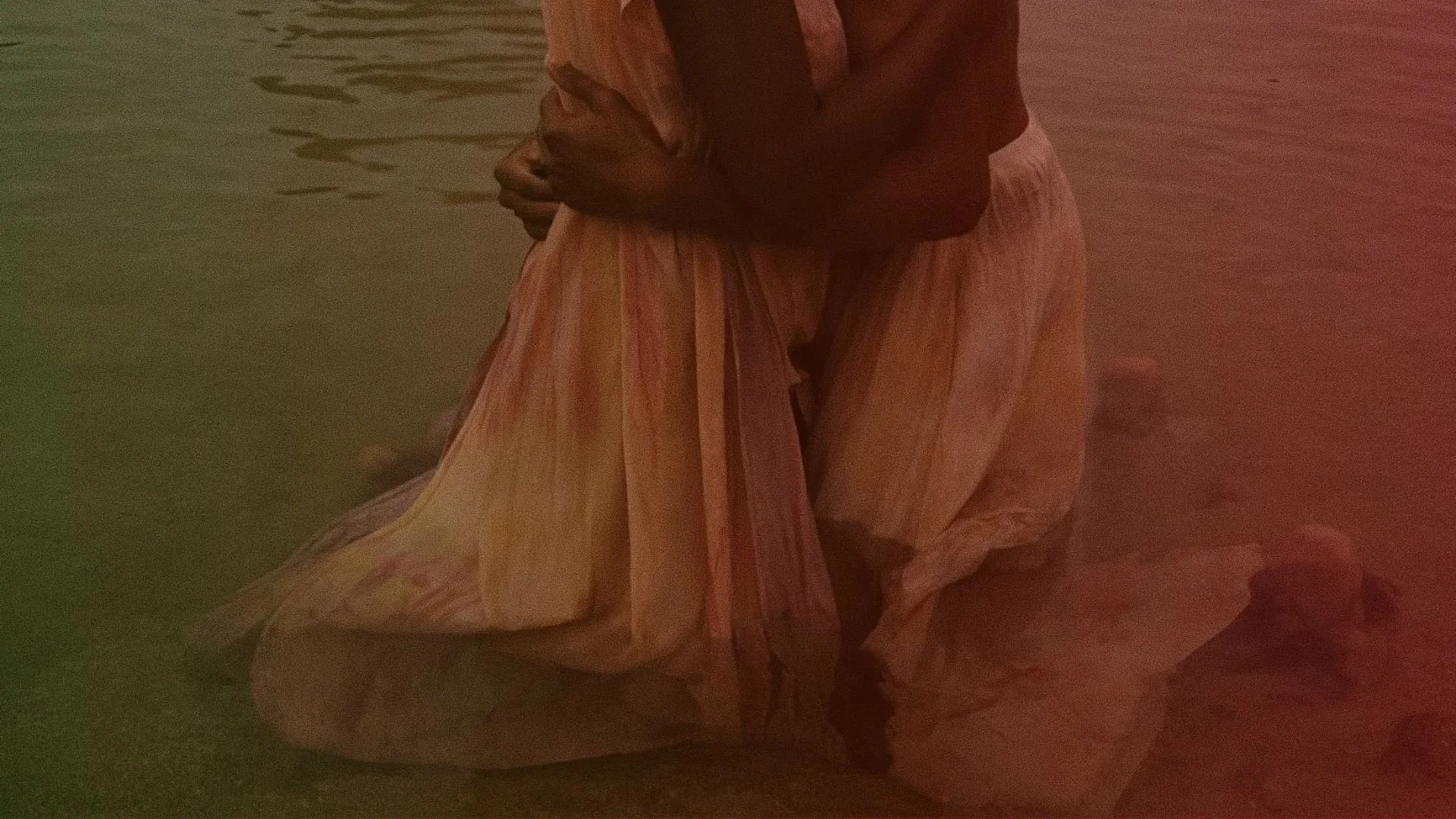
OVER THE COURSE OF THE SEASON, WE SEE THE CONTRASTS BETWEEN GABRIELLE AND ROSELINE’S WORLDS & THE MOMENTS WHERE THE VEIL IS LIFTED ENOUGH FOR THEM TO CONVERGE
In the present day, everything we see is muted, dulled, and sterile. There is a fog that occupies the screen and the characters’ minds. The color palette is dreary and starves any curiosity that one might have. The tension that Roseline feels within herself is emulated in the environment. Through ominous news reports and the lack of trust everyone seems to have in each other, everyone knows that something is coming, but isn’t quite sure what to prepare for.
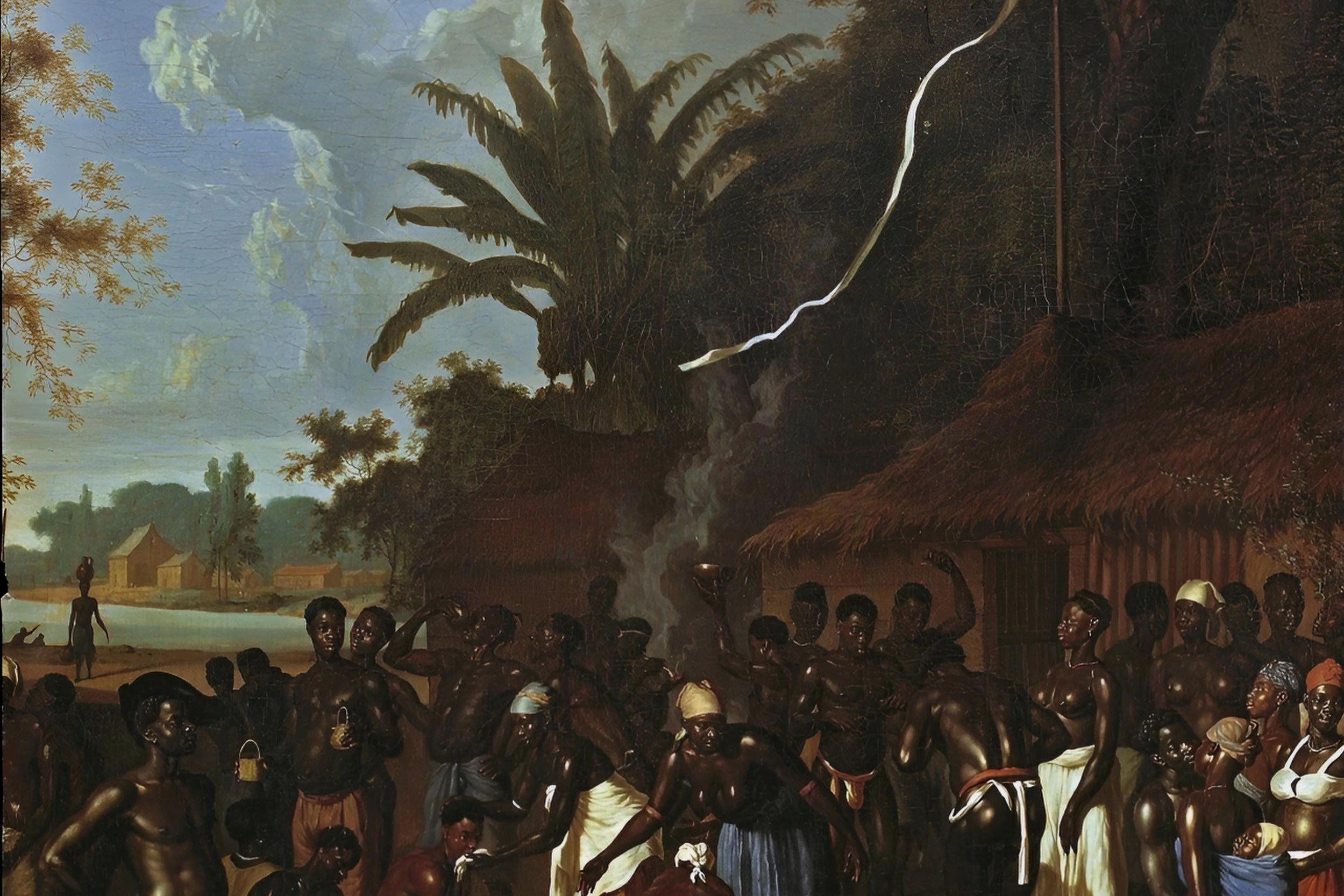
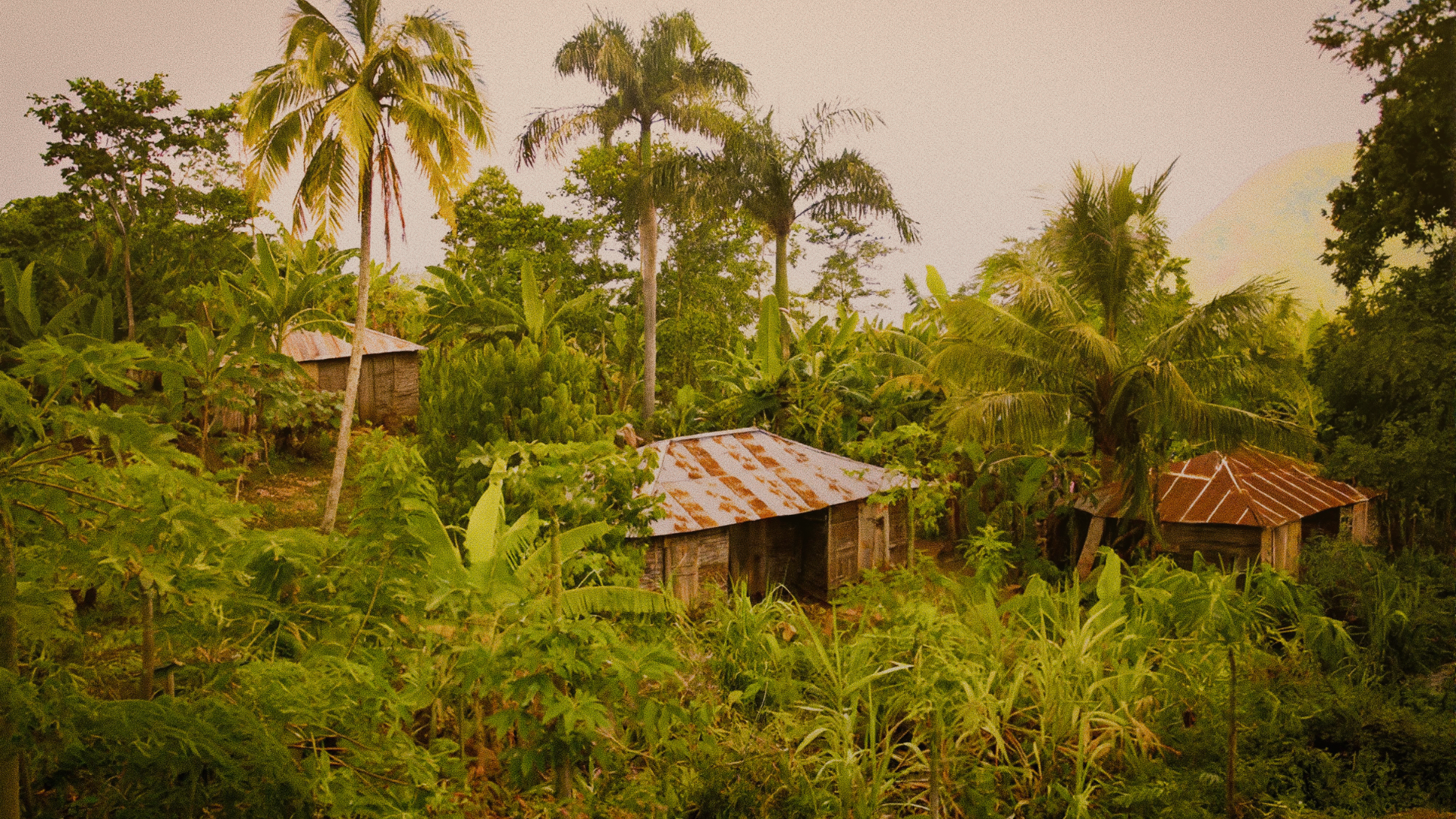
The viscerality of the cruelty and abuse that is witnessed in Gabrielle’s world is matched by the same level of intensity in the environment. The colorscape is as saturated as white cotton shirts stained with dirt. Bloodshed is pushed against a background of lush tropical greenery and mountains beyond mountains. Sweat is commonplace. A dichotomy that speaks to the intensity of the slave trade, and the repudiation of the beauty that exists within and of the land.
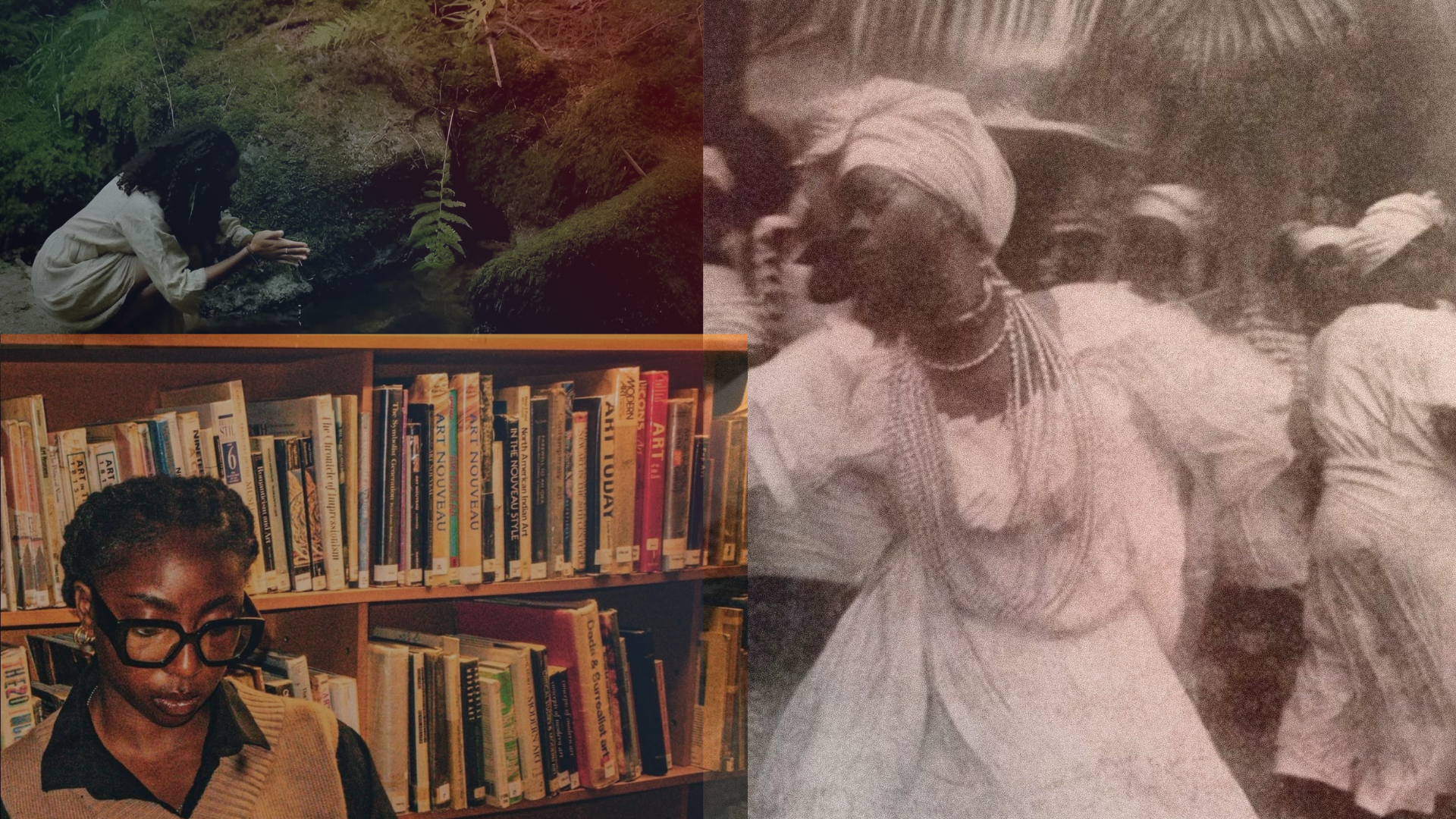
MEET THE FAMILY,
ALIVE & DEAD
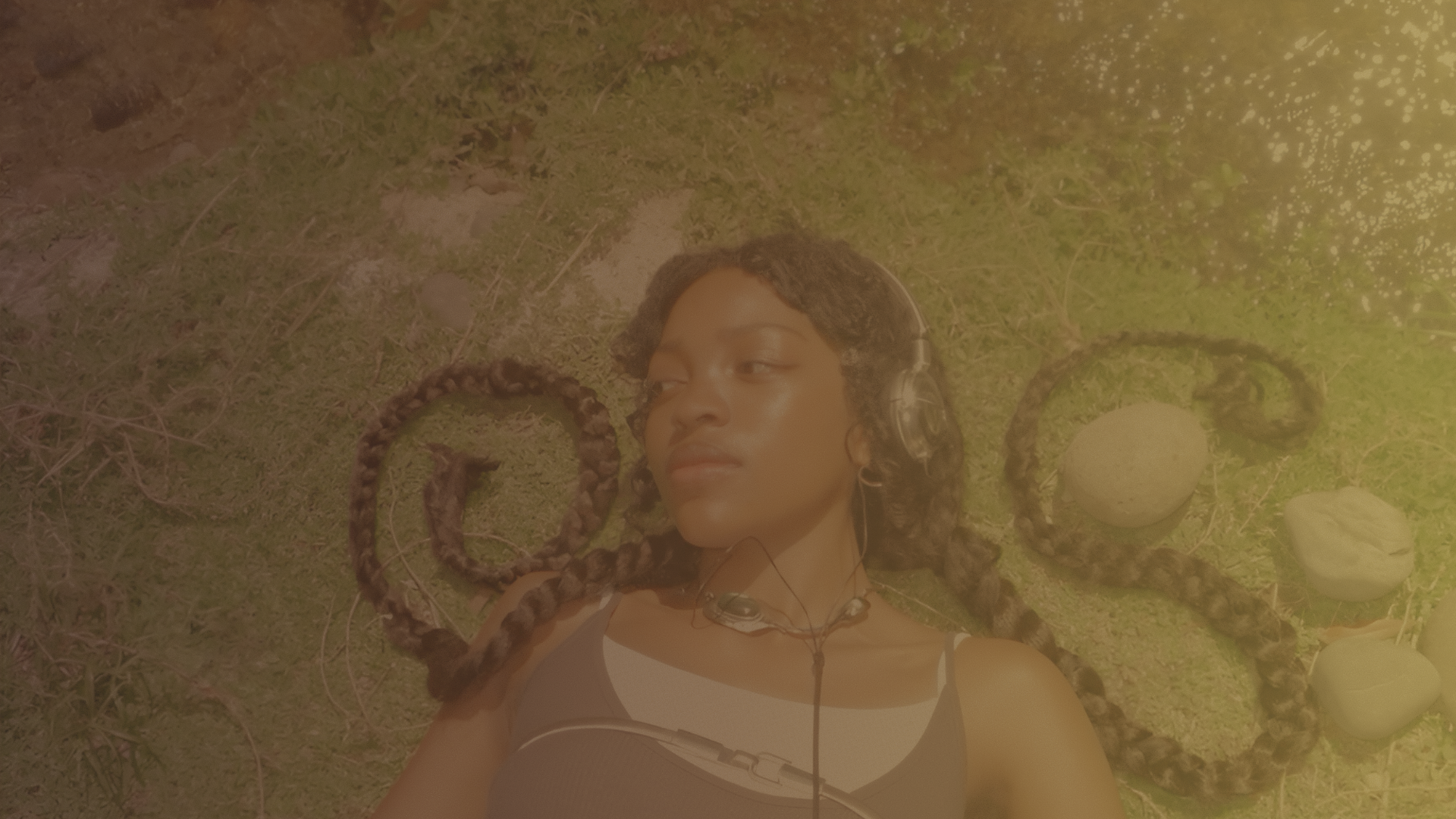

Roseline’s arc from anguish to agency:
THE ANCESTORS DREAM
ROSELINE, 27
An eldest daughter. A third parent. Somewhere in between a Black American and an immigrant. Jaded and disillusioned, Roseline has given up on trying to change the world. Once younger and bright-eyed like her sister Gabrielle, she believed that the world could, and would choose peace through its conflicts. She’s an academic in training to be a professor of religious studies at a highly esteemed university in New York, and is smart enough to know that there’s so much that she could never possibly know. Although she does know more than the white anthropology students whom she tutors.
Now living back in her hometown, she is forcefully reminded of the contradictions of her own identity as she grapples with familial responsibilities. Gabrielle’s disappearance and the heightened crackdown on immigration in the country have left Roseline in a sunken place within herself. Passively, she becomes consumed by nostalgia and escapism. In between depressive naps, Roseline finds it difficult to live in the present moment of life and would rather let it wash over her. Often in her own world, she is either reading about other worlds or dreaming of anywhere else but where she is, a longing for her seemingly impossible opus.
When Roseline realizes that the police have effectively given up on finding her sister, she goes into flight mode, trying to escape her own thoughts. Being unable to run away from them, however, she is forced to listen. As whispers of familiar voices and clues of items that used to belong to Gabrielle start to appear, she has no choice but to accept the responsibility and faith in finding her sister. By the end of the season, Roseline finds herself fully present and ready to face anything that comes her way, either with her words or a machete.

THE ANCESTORS DREAM
GABRIELLE, 20
Curious and confident, or what some would call impulsive, Gabrielle charges forward without knowing where she will land. Gabrielle adores her older sister and views her as a second mother despite their squabbles. Her biological mom is more or less out of the picture. Born in the U.S. nearly eight years after Roseline, Gabrielle feels distant from her Haitian identity. As she is grateful to Roseline, she is also relieved that she doesn’t bear the burden of being the oldest sibling. She knows that this means she has the privilege of choosing her own path into adulthood and is allotted the irresponsibility that many young Americans hold as a birthright. She wants to soak everything up and savor the water droplets that fleetingly fall from the leaves after it rains.
Before her disappearance, Gabrielle lived at home with her father, Jaques, and brother, Auguste. Non-traditionally, she worked at a restaurant and was saving up to go travelling abroad. She’s got it handled. Optimistically open, Gabrielle is ruled by her passion for music. She’s a music producer and DJ; everyone besides Jaques has encouraged her to take her talents seriously. While her openness to the world makes her more radiant, it is also what makes her more vulnerable, becoming the eventual cause of her disappearance.

Gabrielle’s arc from naivety to steadfast consciousness:
As Gabrielle is transported back to a 1788 sugar plantation in Haiti, the irresponsibility and leisure that she once took for granted are now a death wish. Luckily, she has the guidance and protection from her ancestor, Tino, who called her there for help. If Gabrielle wants to survive to see another day, however, she must learn to listen to her elders before running ahead.



Jaque’s arc from stoicism to reconciliation:
THE ANCESTORS DREAM
JAQUES, 50s
The quintessential immigrant success story. Tenaciously rebuilding the village that he once left. Jaques runs a real estate company and believes that playing the monopoly game is synonymous with success. Building his company from the ground up, his family has witnessed his perseverance, the long days and the long nights, and is grateful for his sacrifices. Of course, they also would’ve liked it if one of the sacrifices didn’t have to be time spent with them. While he has adopted many American values since moving to the U.S. over 20 years ago, he still holds on to certain traditional and contradictory views about patriarchal powers, strong women, and following Vodou. He still listens to konpa, but now he interlaces English when he speaks Creole.
Though no longer romantically partnered, he is still friends with Irina and considers her part of the family. She is perhaps his closest accomplice, but he sometimes finds it hard to take her seriously. He believes in the power of the lwa (spirits), but also in the power of wealth. While he similarly finds himself daydreaming of a past life with rose colored glasses, he pushes his feelings down instead of staying open to further investigation. He loves his children, but he also loves money. At times, it’s hard to say which one he listens to more.
At the beginning of the season, we see Jaques reserving himself in almost every situation, including Gabrielle’s disappearance. He chooses work meetings over spending time with his family and doesn’t know when to shut the news off. This unravels as Roseline eventually goes missing. Turning to the forces that he once let guide him before, he must reconnect with his roots and remember where he comes from if he has any chance of finding his daughters.

THE ANCESTORS ALLY
IRINIA, 60s
Polish-American. Coming from a long line of working-class blue-collar Chicagoans, she admires Jaques' hustle. An academic and artist who never quite got her flowers. She’s one of the many who never had the opportunity to move up the economic ladder, and at times, the intergenerational traumas of poverty seem like a haunting. Through many flashbacks, we learn about the development of Jaques and Irina’s relationship in Haiti and what led to their eventual split. In the aftermath, there was a period of silence, but over the years, they’ve drifted back together. Although her Creole is broken now after all these years, she still talks to Jaques in Creole when there’s something she doesn’t want someone else to understand.
In her mind, Roseline’s existence was fated. She values connection over money and would miss a work meeting if Roseline wanted to spend time together. She reminisces about her years in Haiti and the community Jacques and she had there. She’s often trying to be the optimist that no one else can muster at times, though sometimes her forcefulness turns people away more than she would admit. Irina is happy that her daughter is following in her footsteps in academia and wants Roseline to secure a future for herself that Irina never had the opportunity to have.
Irina’s arc from wishful thinking to realistic expectations:

While Irina longs for a deeper connection with her loved ones and expects everyone to remember the past as she does, her methods of edifying those around her often come across as competitive, rather than welcoming. Thinking that she knows what’s best, over the season, she ends up driving Roseline away, instead of listening to her daughter. Irina needs to learn to meet people where they’re at if she actually wants the connection that she’s longing for.
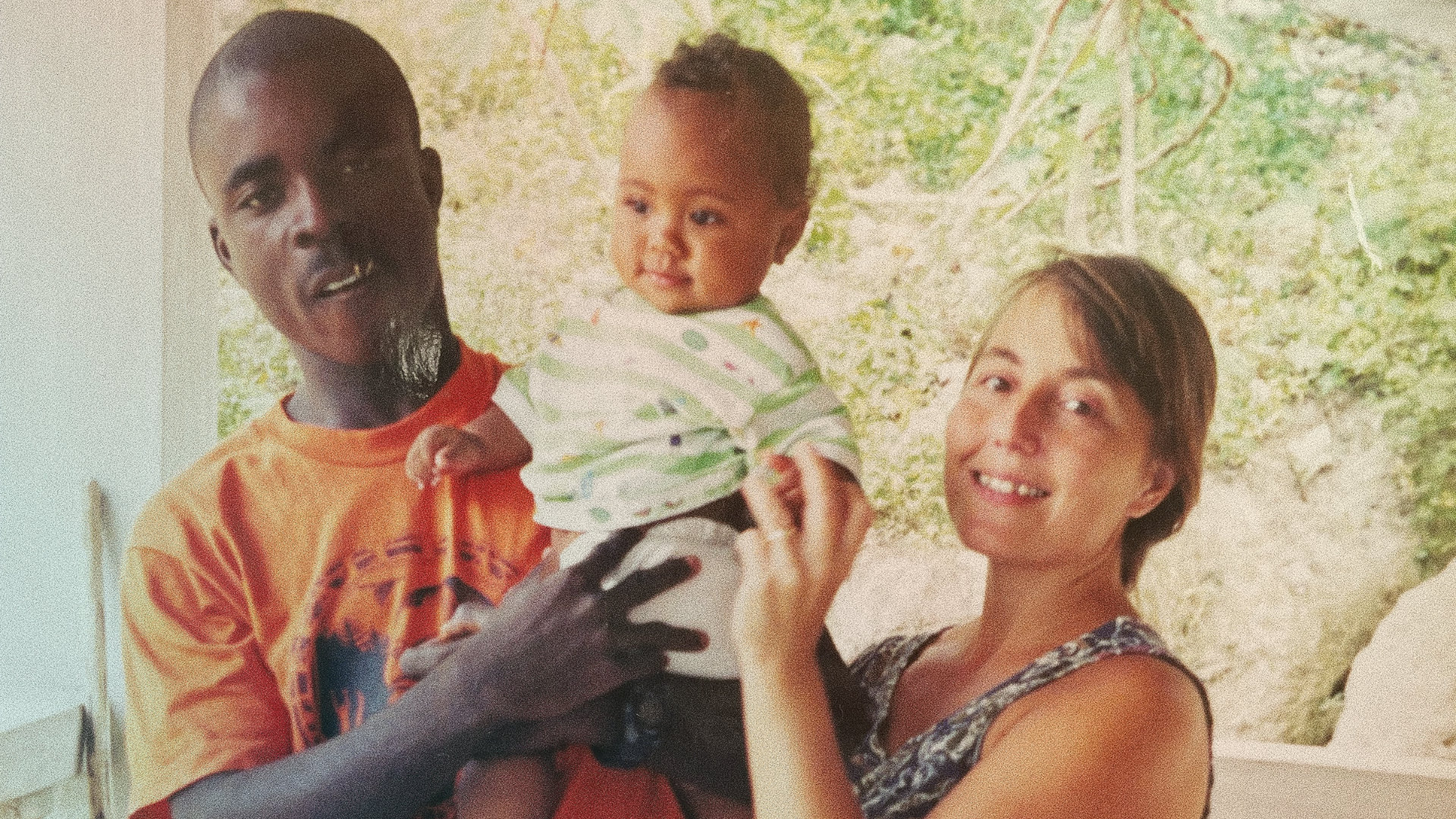
Rose-Marie’s arc from idolization to joining the cause:
THE ANCESTORS DREAM
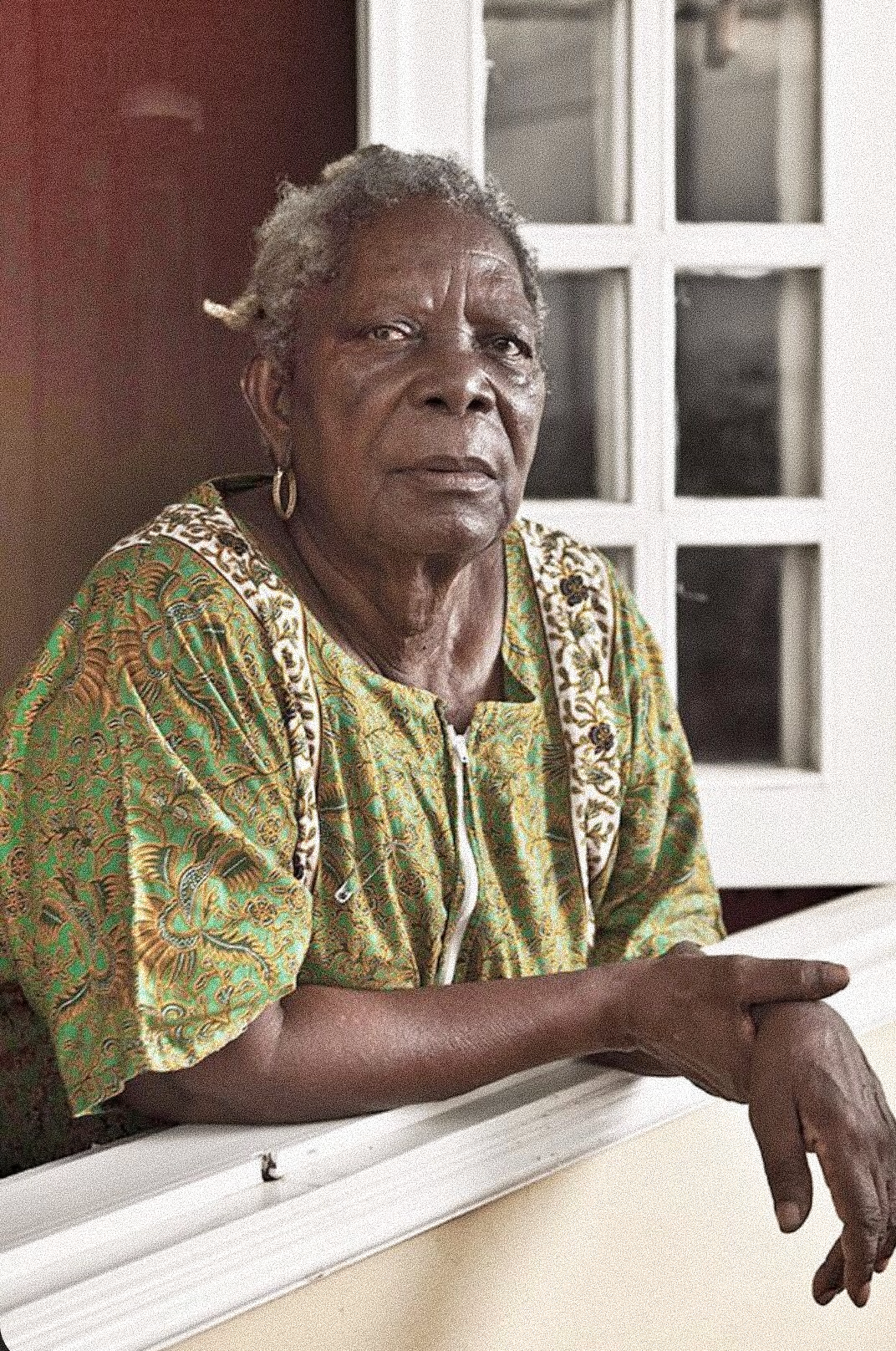
ROSE-MARIE, 80s
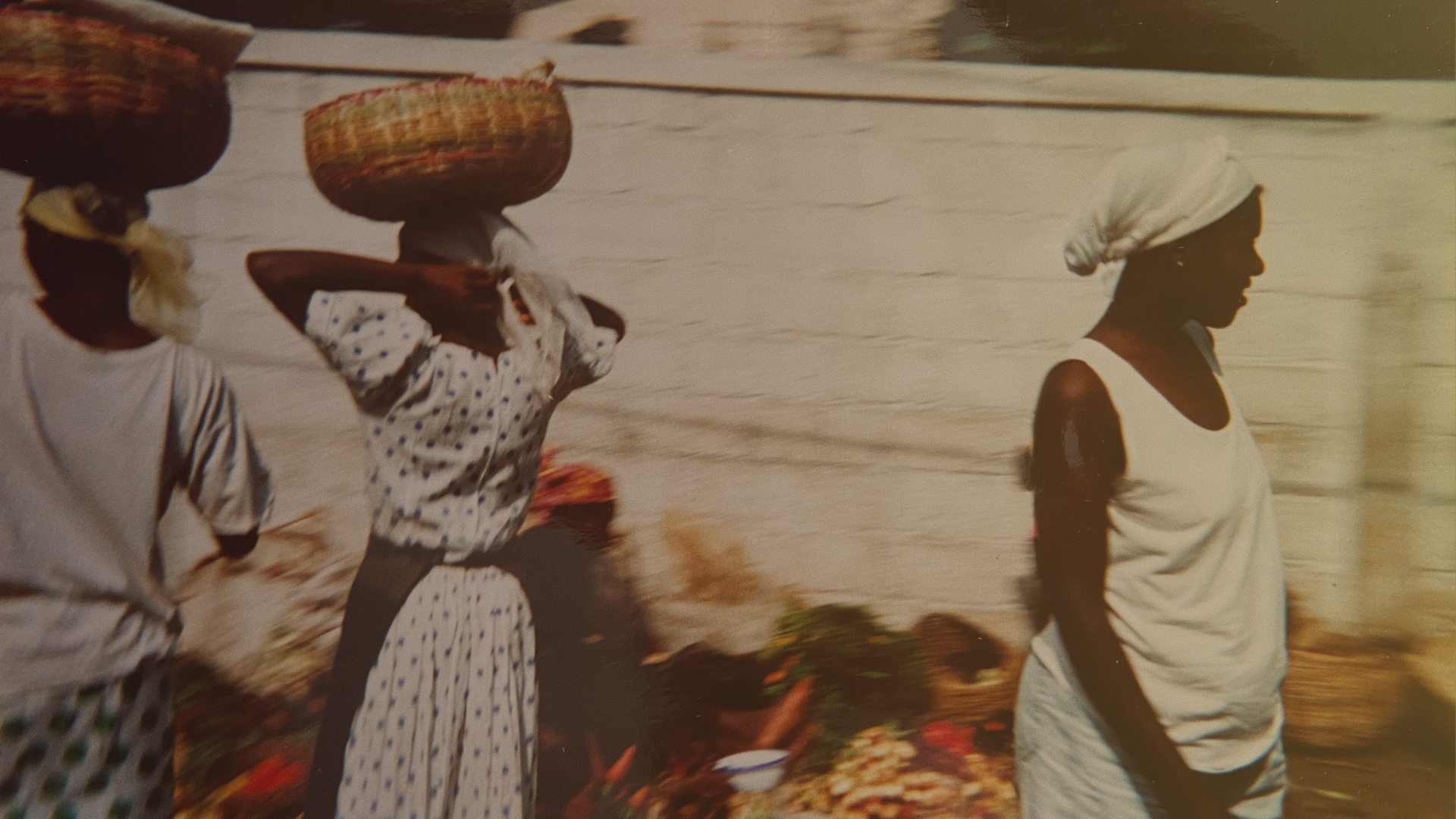
She probably remembers Haiti better than anyone in the family, but her version is also the furthest from what’s there now. Having lived in Haiti until her 50s, she remembers the village where they used to live and how she used to sell carrots from her garden in the city. She loves all her grandchildren, but she thinks Roseline is special because she was the only grandchild born in Haiti. She was one of the first people that Jaques helped bring over once he got his footing in the U.S. Rose-Marie likes that her family is career-oriented for the most part. Admiring Jaques hustle and Roseline’s academic endeavours.
Allegedly, Rose-Marie is Protestant, but history has proven otherwise. She recounts being possessed by the lwa (spirits) and still speaks of the prophetic dreams she has. Her English is passable, but she speaks Creole whenever she can, which limits her conversations with her grandchildren. Although this doesn’t stop her from telling Roseline to find a man to have children with, don’t worry, though, she’s open-minded and has told Roseline that they don’t need to be married. Of course, she’s disappointed, but she’s also in awe, as she’s witnessed the American assimilation her son and grandchildren have chosen. The grief she feels for Haiti and, for that matter, the world is intense, and feeling it at the end of her life means she’s betting on her descendants to solve the issues she can’t. While she doesn’t understand the assimilation she witnesses, she knows it’s a survival tactic.
She has an idealized vision of success and fame in the U.S. and believes that Roseline can achieve the American dream with a white fence and two kids. Like Jaques, she thinks playing by the rules is how you ‘win’ at life, especially in the U.S. When she is detained, however, she quickly realizes the depths of cheating and rigging that go into ensuring the same winner comes out every time. As her time in jail gives her much time to herself, she contemplates how she has been treated by the institutions she once looked up to.

H A I T I A N P R O V E R B
SAK PA KONN PASE,
PA KONN TOUNEN
THOSE WHO DON’T KNOW
WHERE THEY’VE PASSED,
DON’T KNOW WHERE THEY’RE GOING
THE BELOVED ANCESTOR
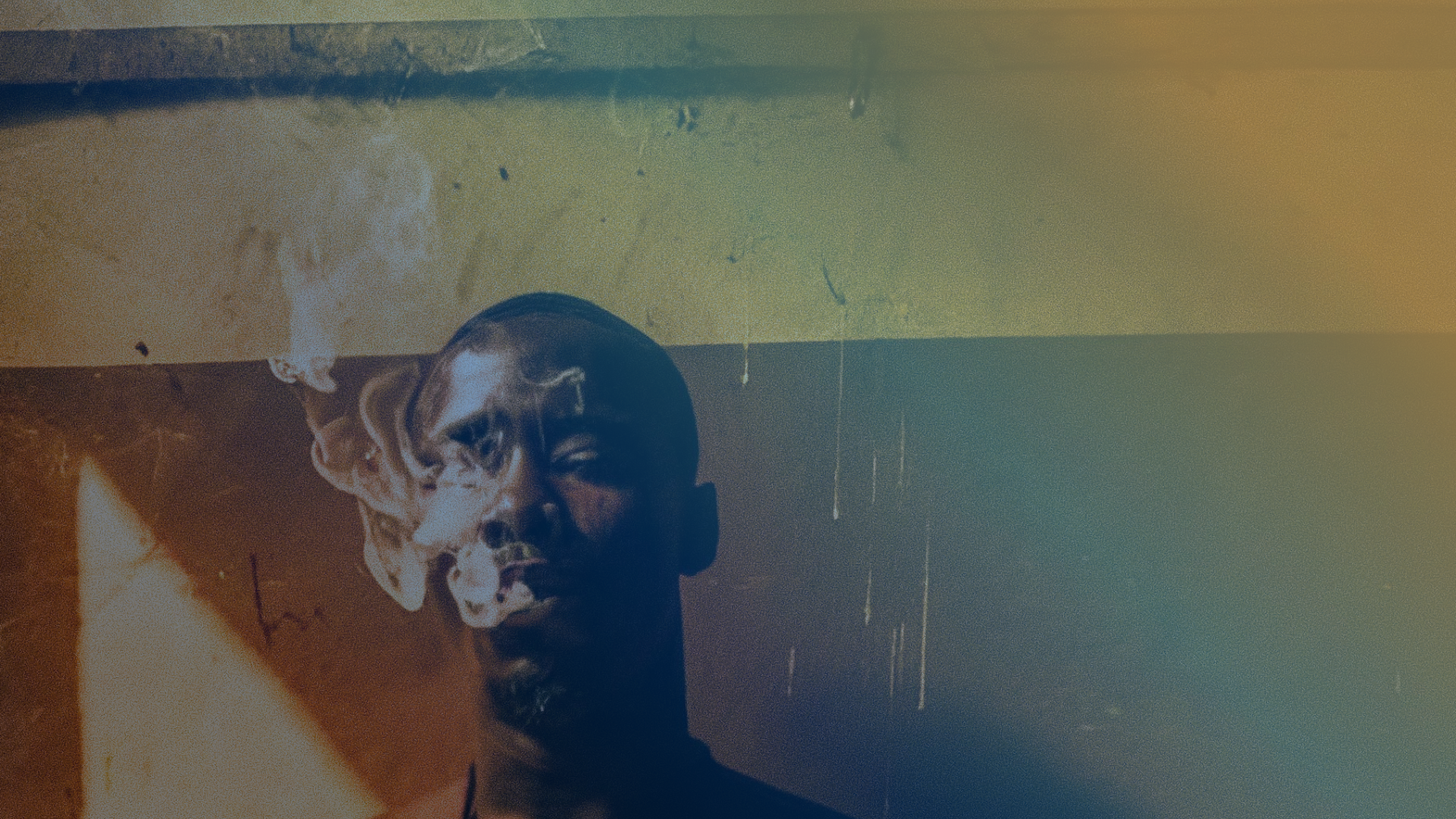
TINO, 30s
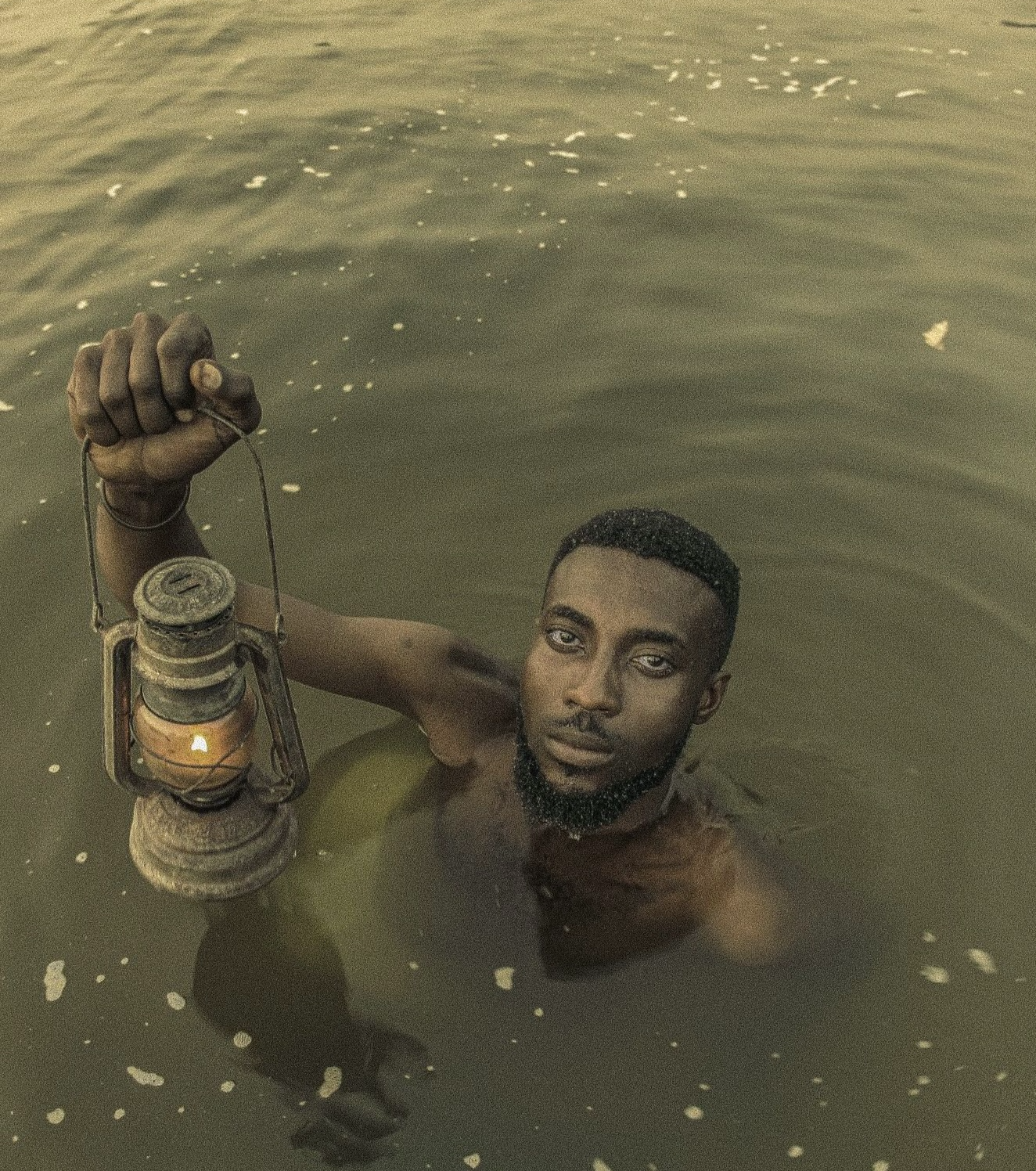
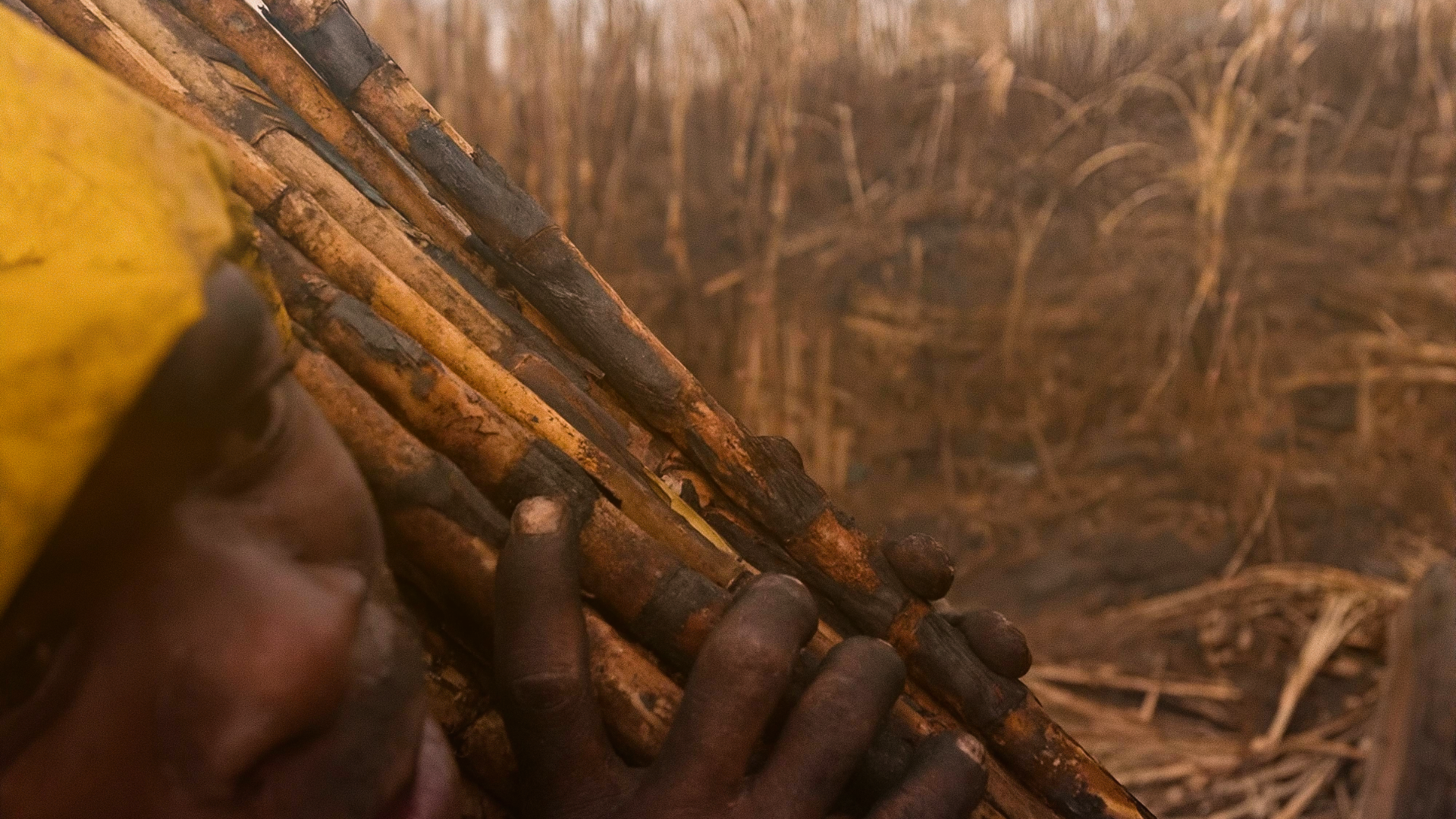
The sugarcane fields help Tino forget about the ship hulls, but then he is reminded of the blisters that line his feet. Tobacco feels like a necessary coping mechanism. He keeps a garden with the other fieldhands he lives with, growing okra and yams from the seeds they managed to carry over. He knows that without their garden, they wouldn’t last much longer out in the fields. He is planning to run away into the mountains with Gabrielle to find the secret maroon communities rumored to have formed a fellowship with the remaining Taino people of Saint-Domingue. His faith in revolution is palpable; it seems the only choice, other than death. He often talks to Legba, the spirit of the crossroads, and someone he remembers from the homeland; others seem to know Legba, too.
One night, after Tino is severely beaten by a plantation owner, he asks Legba to lift the veil enough so he can see if there is a time beyond this, somewhere without the suffering that he can’t run away from. The veil is lifted just enough for him to see Gabrielle pinned underneath a police officer, suffering that, unfortunately, feels all too familiar. He pulls the police officer off of Gabrielle, and they then run back into Tino’s timeline.
Tino’s arc from powerless victim to self-determined guide:
One night, after Tino is severely beaten by a plantation owner, he asks Legba to lift the veil enough so he can see if there is a time beyond this, somewhere without the suffering that he can’t run away from. The veil is lifted just enough for him to see Gabrielle pinned underneath a police officer, suffering that, unfortunately, feels all too familiar. He pulls the police officer off of Gabrielle, and they then run back into Tino’s timeline.
THE BELOVED ANCESTOR
CECE, 30s
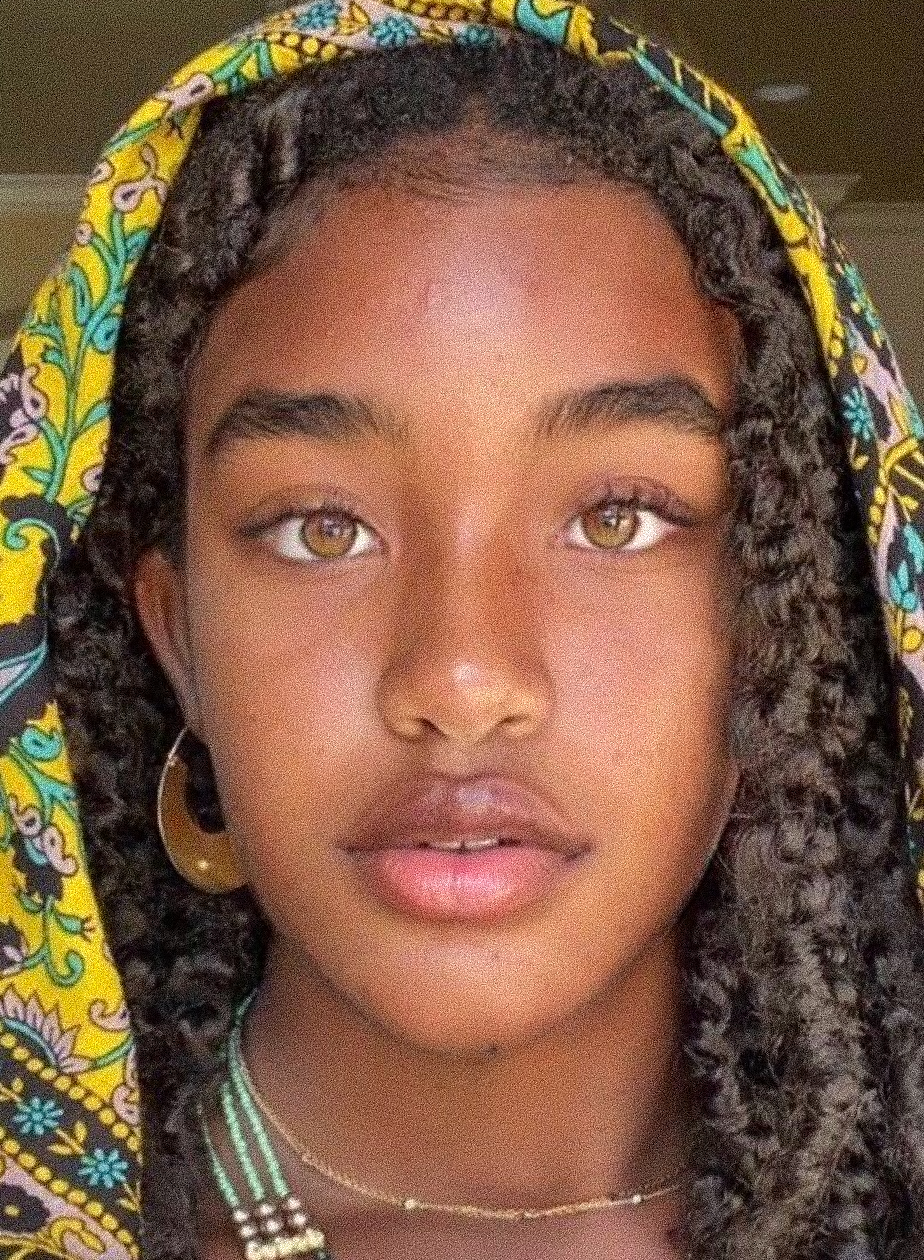
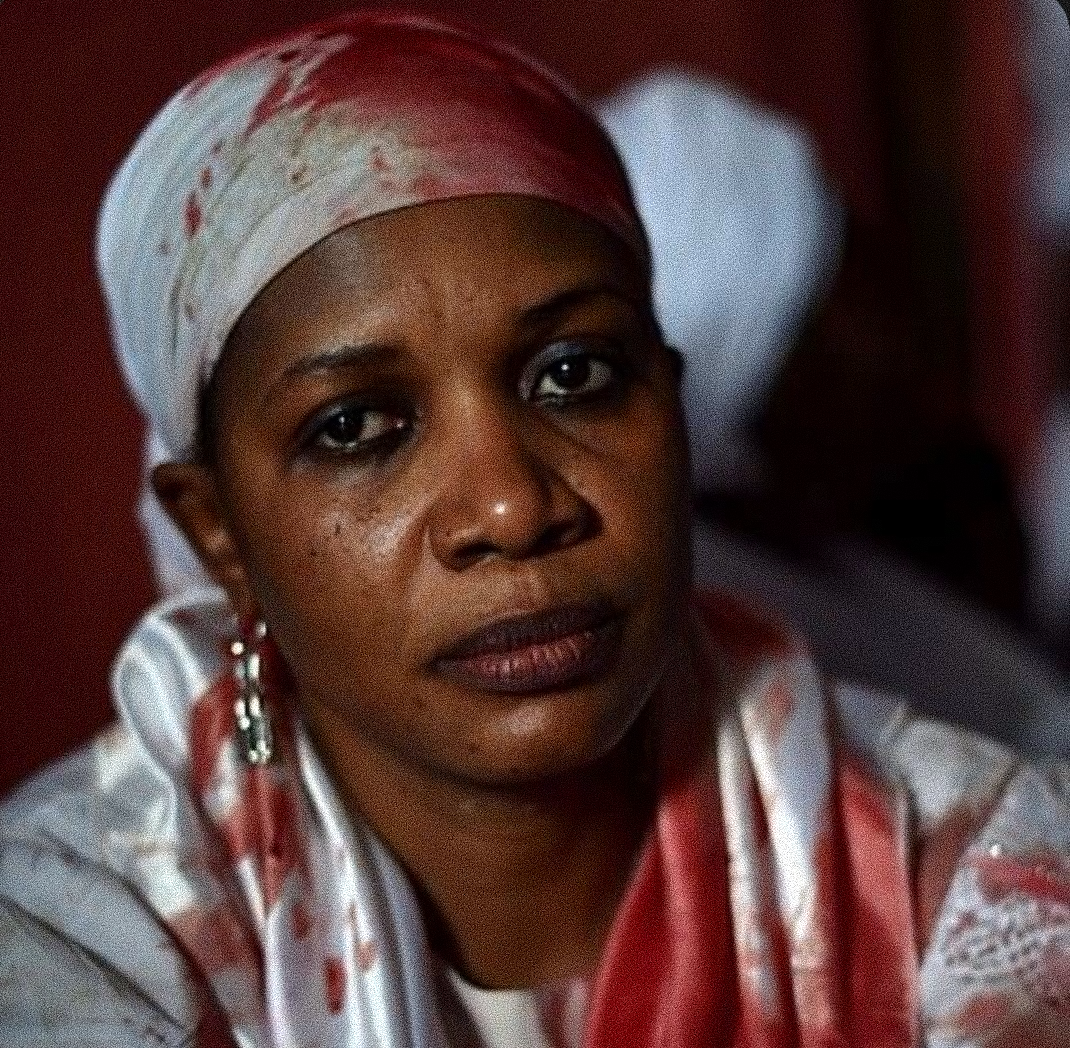
Cécile Fatiman. A mambo (high priestess) and one of the main forces that ignited the Haitian Revolution. Presiding over the Bois-Caïman ceremony with her co-conspirator, Dutty Boukman, she provided the momentum to the masses and cemented an intrinsic bond between Vodou and liberation. Calling on the spirits, ancestors, and others to join the fight, Cece is an inspiration and a humble leader. Having successfully started a maroon community with Boukman, she is preparing for the Bois-Caïman ceremony and many other rituals to call on the help and strength needed to fight their oppressors. When she isn’t preparing for this, she is often in the forest, looking for medicinal plants to bring back to her commune.
She meets Tino when slave catchers kidnap her from the forest, and she is taken to the same plantation as him. Through conversations with Tino, we learn about her past life with her mother, where she worked on another plantation. We see the dynamics of colorism play out as Tino is fascinated by her green eyes and lighter complexion; she presents as ethereal. While she cannot wait for him, she tells him of the maroon community that exists deep in the mountains, where he can escape. She is swift and moves silently, and escapes shortly after she is kidnapped. Cece becomes a grounding force for those around her, serving as a reminder of people’s collective power and the power of divine forces.
Cece’s arc from mysterious runaway to erudite healer:
Over the course of the season, we see Cece planning her escape from the sugar plantation to which she is brought and preparing for the Bois Caïman ceremony. Understanding the weight of the Revolution and everyone’s part in collective liberation, Cece reminds us that we cannot get to the other side of the mountain unless we all help each other. As the Haitian proverb goes, ‘men anpil, chay pa lou’, or, many hands make light work.
THE BELOVED ANCESTOR
TOUSSAINT, 50s
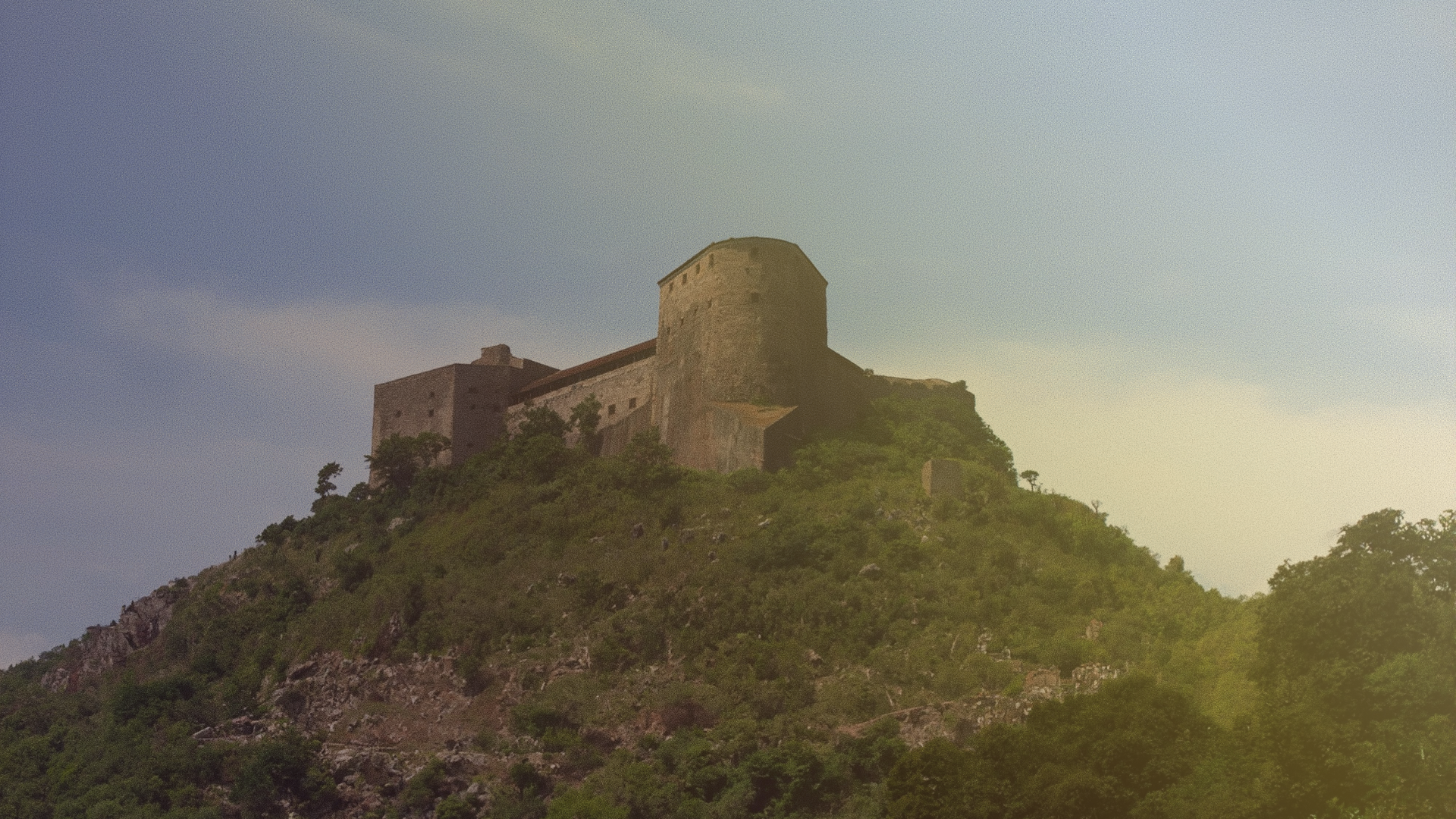
Toussaint Louverture. Born as a slave in Saint-Domingue and then later a freed man. With the privilege of educated parents, Toussaint experienced the world with curiosity during his upbringing, eventually becoming the steward at his plantation before being legally freed in 1776. During the initial slave revolts, he helped his slave master escape. He believes in the racial hierarchy, despite the contradictions of his own identity.
While he tries to see both sides of the slave trade, he is happy with his position and doesn’t plan on stirring up any trouble. He opposes Vodou and any African folklore that has made its way through those who traversed the Middle Passage. The dissonance he holds between his enslaved counterparts and himself is fueled by his adamant fervency in Catholicism and the buy-in of seeing racial divides as a virtue.
Toussaint’s arc from arrogance to renowned leader:
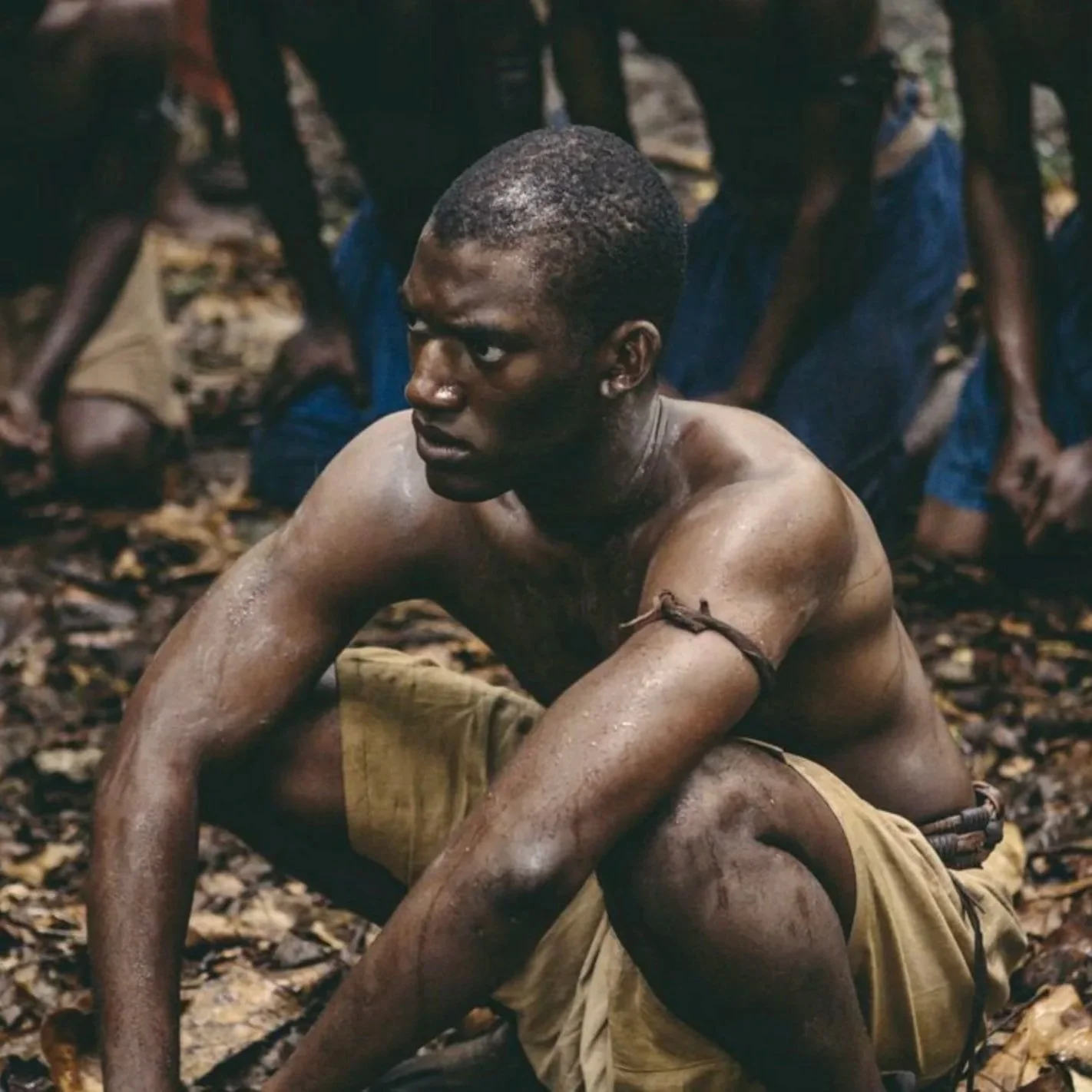
During the slave revolts in 1791, after the Bois-Caïman ceremony, Toussaint was initially hesitant, unsure which side to take. He knows, however, that the rebels will eventually kill him if he continues to help the white enslavers. Throughout the season, we see him develop trust with Tino, Victoria, and other characters through his insight into military tactics, eventually leading guerrilla warfare groups that Gabrielle and Roseline participate in.
THE BELOVED ANCESTOR
VICTORIA, 60s
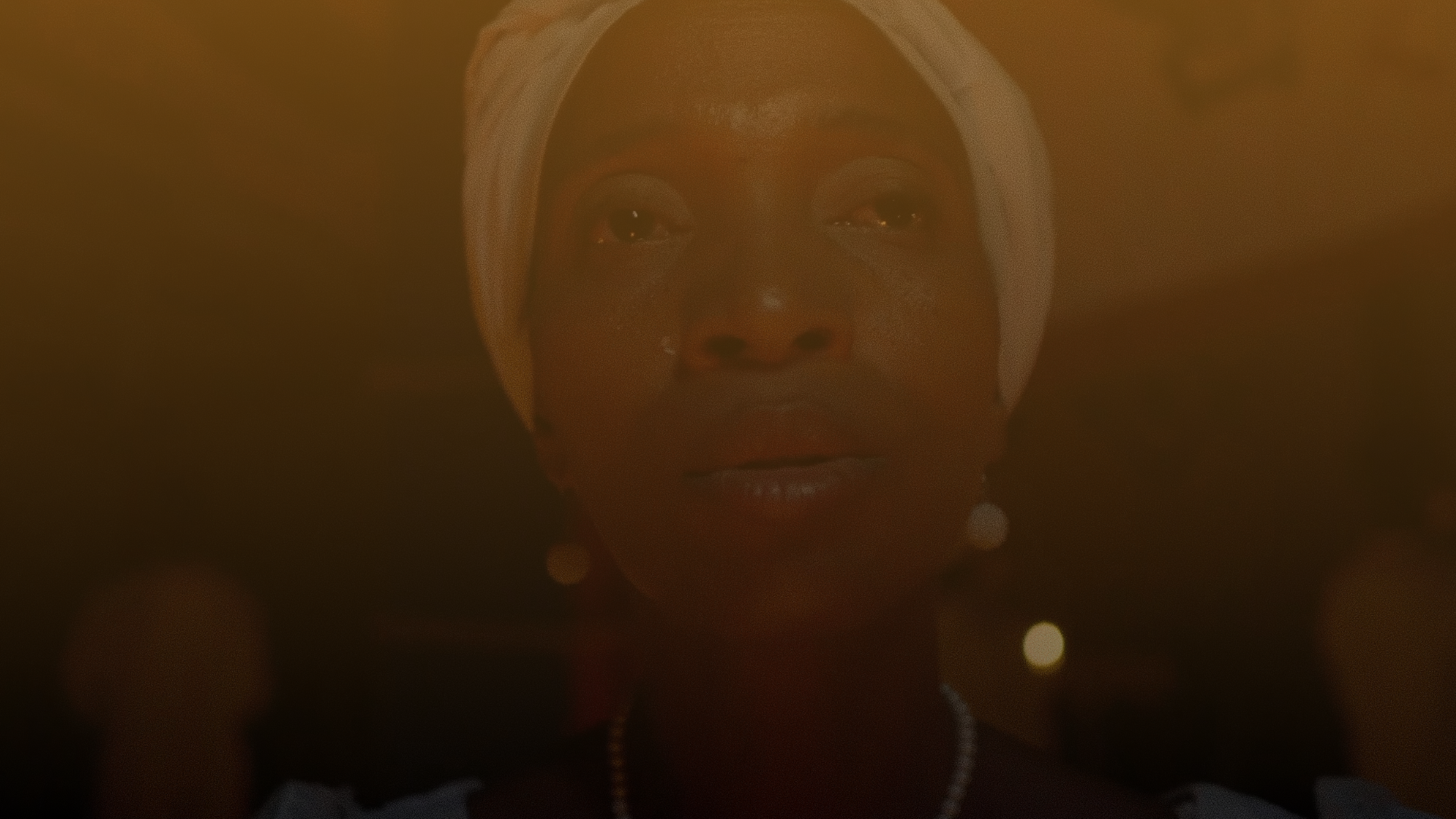
Victoria Montou. Dessaline’s adoptive mother and former Dahomey warrior. Having come up against many enslavers before in battle and otherwise, Victoria is confident in her abilities. She can move her machete like a wand, never missing a beat, and somehow effortlessly makes her opponents trip over their own feet. She knows what it’s like to be free from slavery and doesn’t plan on dying as a slave for someone else.
Knowing Dessaline’s from when he was quite young, she knows that their only hope is if she can pass on what she was also once taught. Victoria is fierce and determined, but also knows that time is of the essence. She knows that she has valuable knowledge and skills to share and expects other people’s immediate respect. During her training sessions, she is just as impatient with Gabrielle as Gabrielle is with her. If people don’t pay attention, she makes them listen.
Victoria’s arc from trainer to passing on the torch:
Victoria doesn’t want to die a slave, but she also knows that the likelihood of her seeing the otherside of the Revolution is low. She values the time she has with Dessaline’s and is trying to teach him and those around her the skills they need not only survive but win. Towards the end of the season, Victoria knows that she has fulfilled her mission, as she slowly starts to accept the fate that comes for all of us.
FOLKLORE
IN THE DREAMS
MYSTIC IN THE MEMORIES
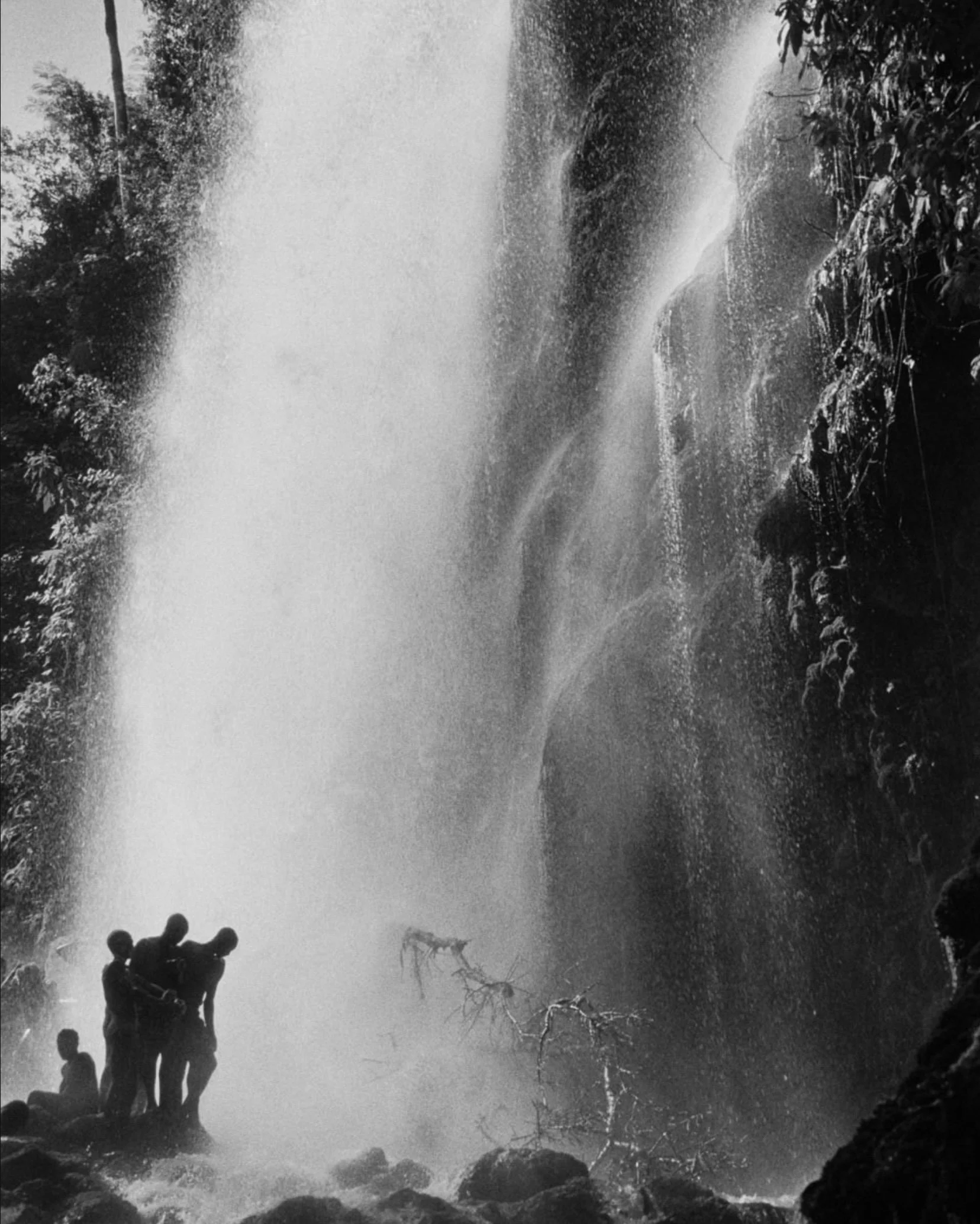
SAUT D’EAU
photographed by Phyllis Galembo

guardians of the deep
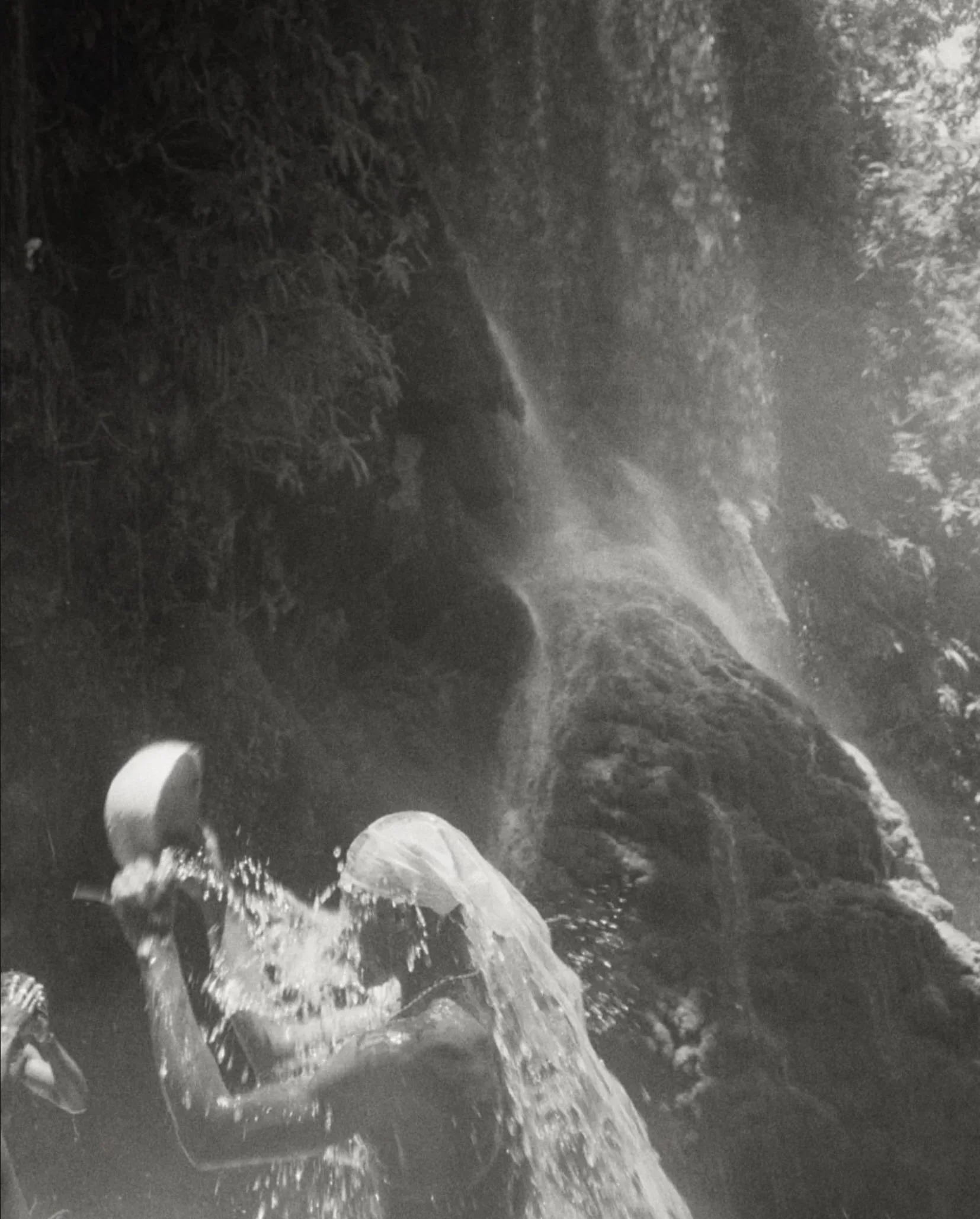
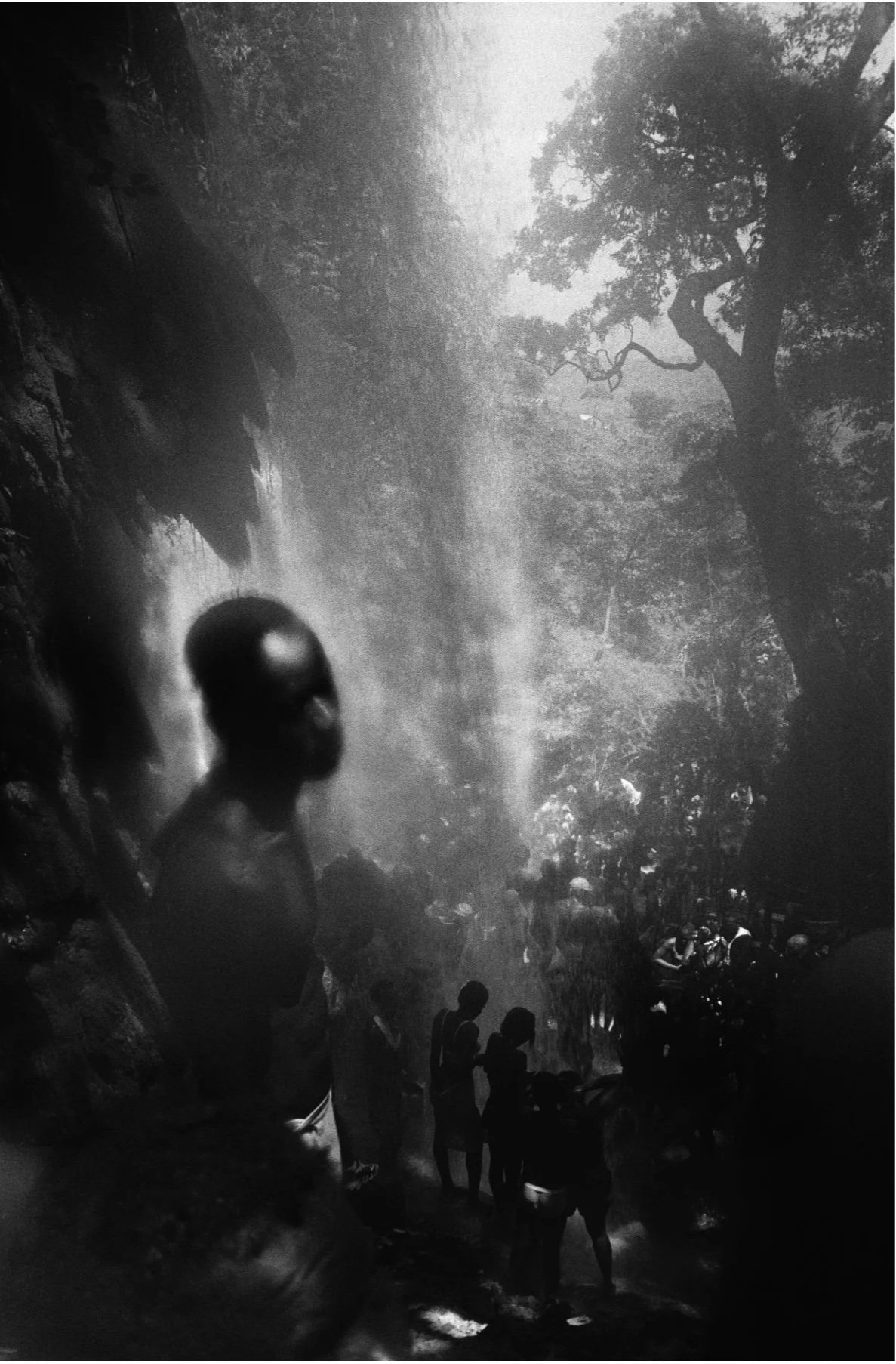

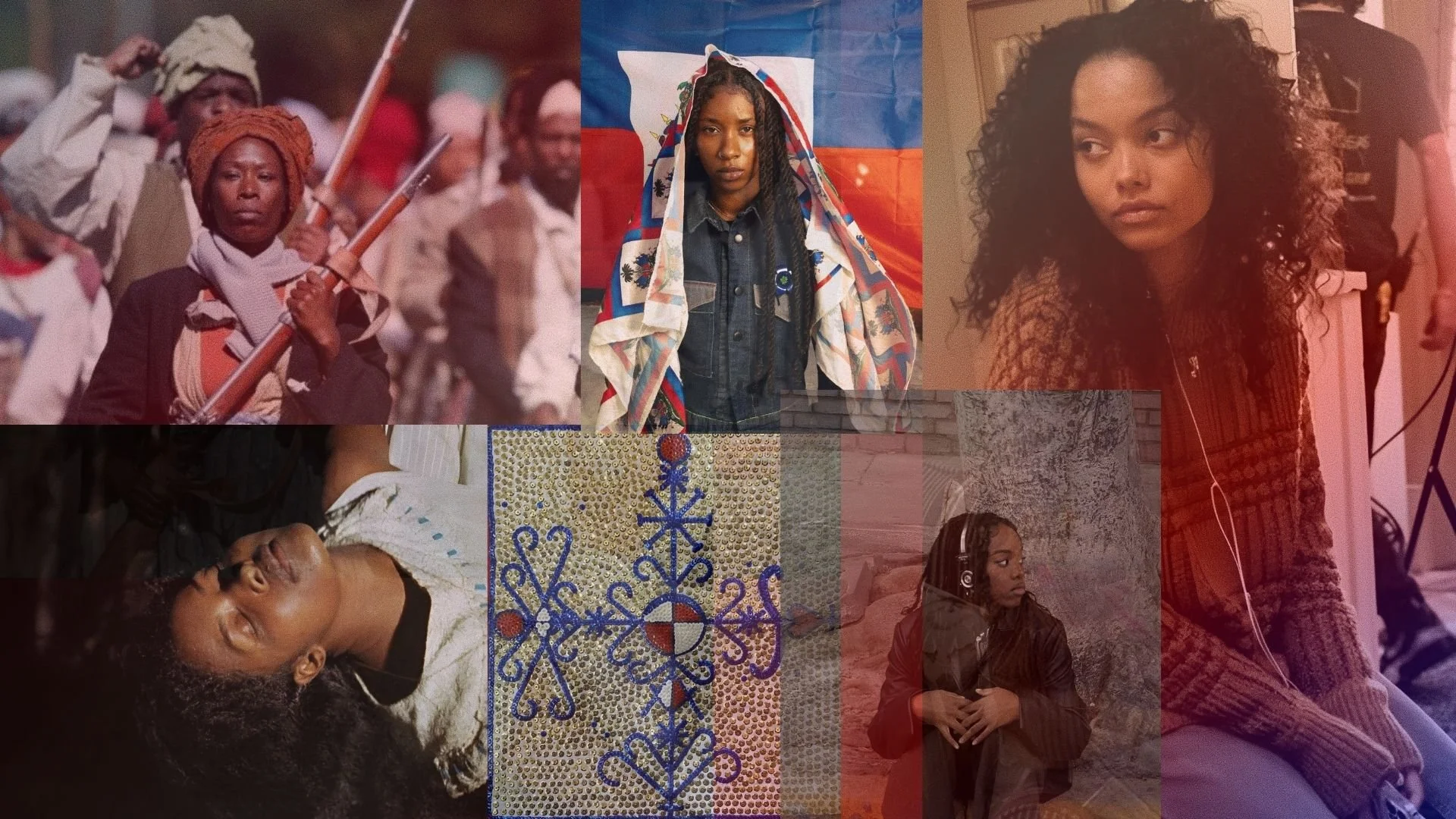
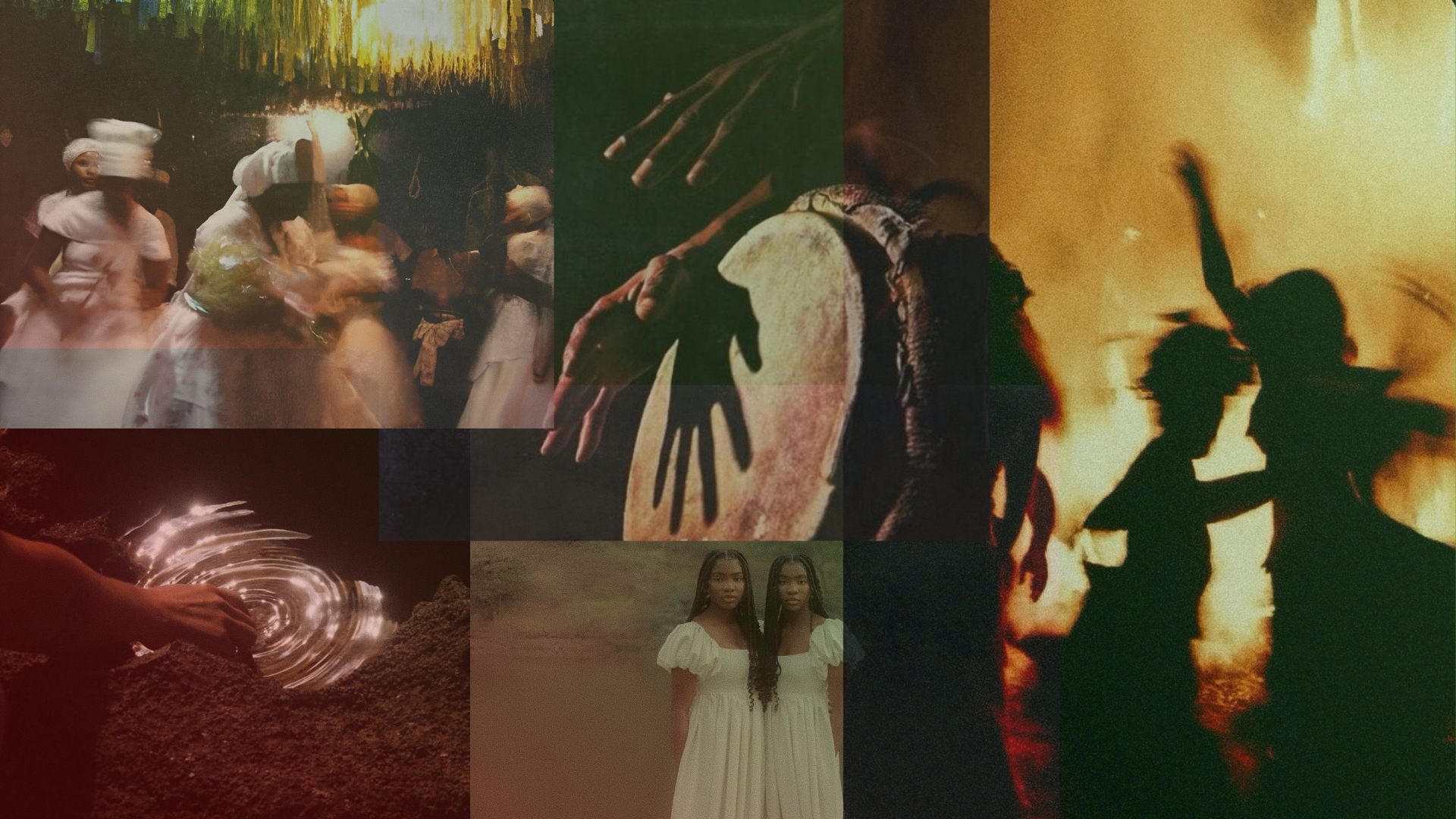
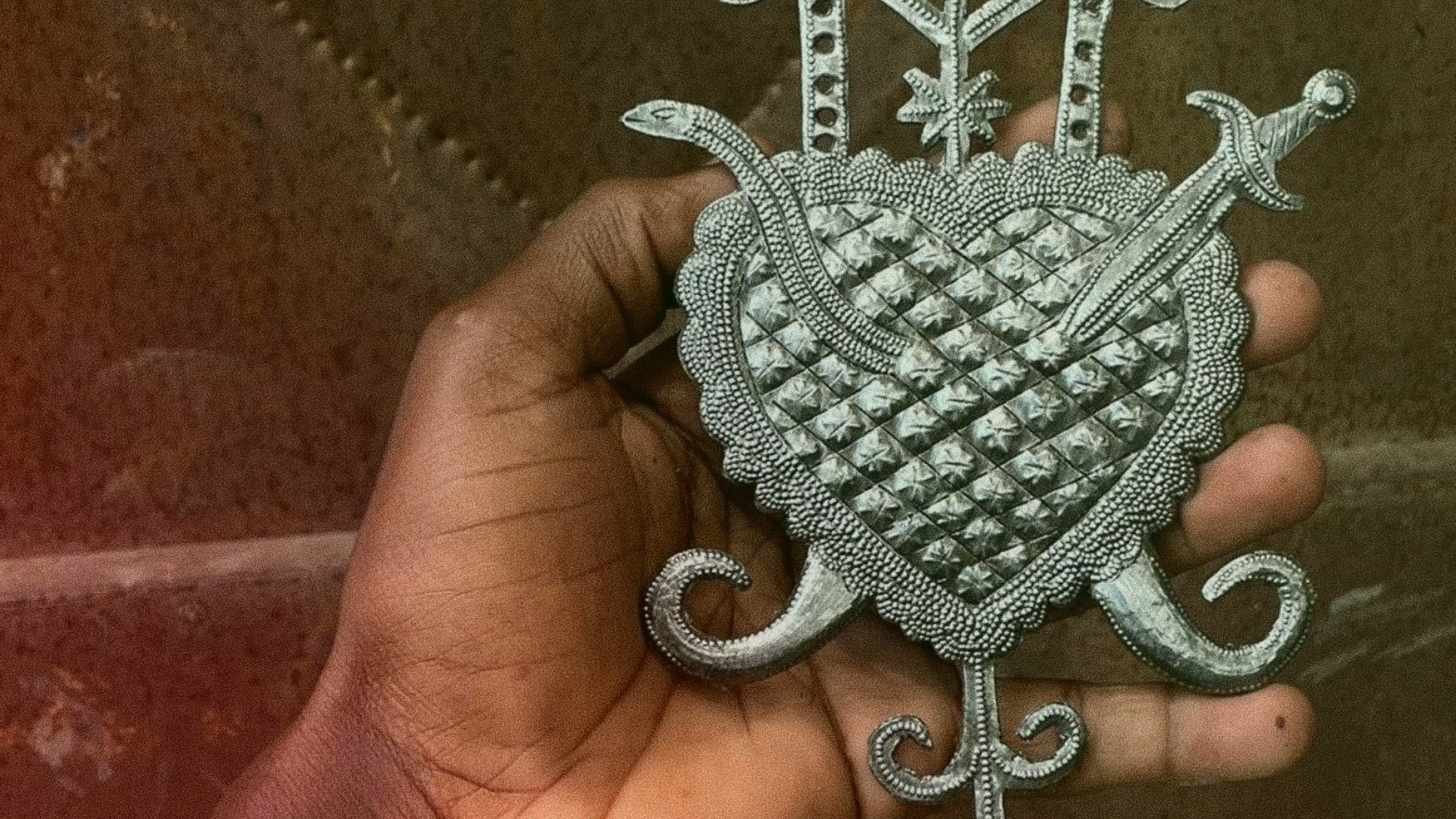
Vodou is the earth-based practice that bridges people to the divine and spirit world through the primordial forces of ancestral love and music; an amalgamated non-denominational faith rooted in memories carried over from West Africa. While not central characters, we will see anthropomorphized versions of the lwa (spirits) that guide the plot and contribute to foreshadowing elements. Wrapped up in folklore, proverbs, and the mysticism of water, motifs of Haitian life and culture, such as the belief in werewolves and zombies, will be woven into the story, providing cultural and historical accuracy.
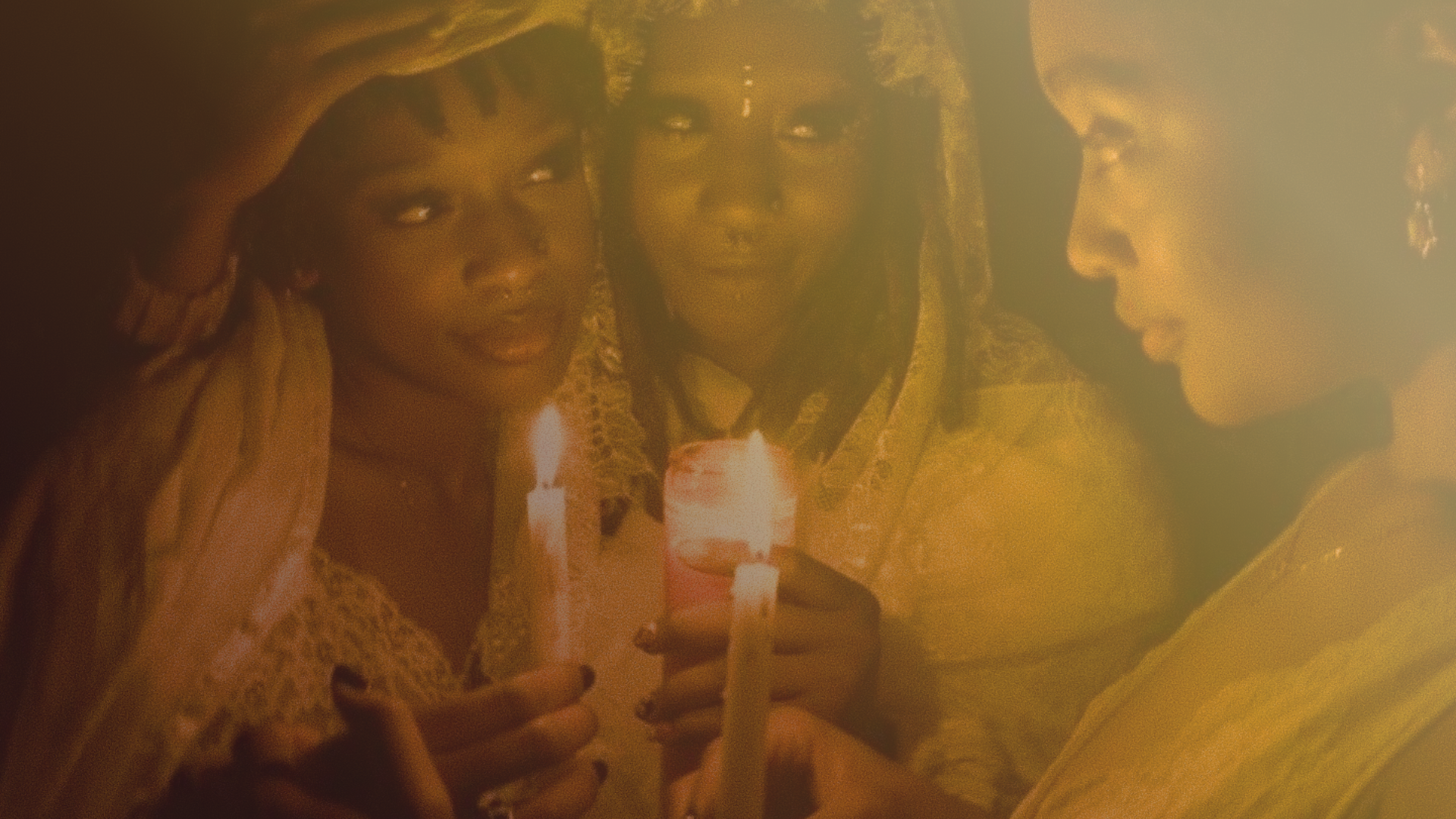
All the central characters will be led by the lwa, who regularly commune with them, whether in dreams or in ceremonial rituals. Certain lwa, such as Erzulie, spirit of love and vengeance, or Damballah, creator of the universe, will present as more benevolent. Gede, while not an evil spirit, is a trickster often making fun of humans, ruling over the transition between life and what comes after. Legba, spirit of the crossroads, holds particular importance as he is the spirit who can lift the veil between Roseline and Gabrielle’s world.

“All water has a perfect memory and is forever trying to get back to where it was.”

E P I S O D E S
Pilot Episode —“Put Your Feet in the Water”
Roseline moves back into her childhood home, leaving her teaching job in New York. She’s reminded of the family dynamics that feel all too familiar as she tries to pick up the pieces of Gabrielle’s disappearance. Irina and Roseline educate some police officers, and Jaques tries to make an apolitical argument. A family dinner presents an opportunity for Roseline to display her deteriorating mental health.
Episode 2 —“Two Worlds Collide”
Roseline finds more clues to Gabrielle’s whereabouts in a premonitional dream and in Gabrielle’s phone. Irina and Jacques try to find a private investigator. Rose-Marie makes soup joumou for New Years Day.
Episode 3 —“I Remember Ayiti Too”
Irina tries to convince Roseline to go back to her university job. We learn more about what Roseline was teaching and her academic investments in Haiti and Vodou. We meet Cece and Tino on the Haut-du-Cap plantation. We see Toussaint living among the other free Blacks in Cap-Haitien. Tino calls on a descendant for help. Jacques has a run-in with the police that forces him to rethink his decision to move to the U.S.
Episode 4 —“Goats Will Eat the Leaves That Fall”
Gabrielle learns about life as a fieldhand, and Tino learns about life past his time. Cece returns to her commune and begins preparing for Bois-Caïman. Roseline ties up loose ends in New York, quitting her job for good, and ending a confusing romantic situationship.
Episode 5 —“Black Pig”
Tino and Gabrielle make a hasty run for the mountains, just barely making it out in time. Roseline finds a disturbing clue in Gabrielle’s phone that makes her more concerned about where she is. Irina becomes increasingly concerned with Roseline’s state of mental health. Cece gathers her final materials for the ceremony and realizes she will have to risk being kidnapped again to get what she needs. Toussaint gets word of what’s being planned among the maroons.
Episode 6 —“Bois-Caïman”
Rose-Marie has her citizenship hearing. Gabrielle starts to train with Victoria and Tino. Irina and Roseline have a conversation that gets out of hand. The Bois-Caïman ceremony is ready to commence, and Roseline finds herself in another world, although not in the opus that she had hoped for. Toussaint sneakily watches the ceremony and helps his former owner escape.
Episode 7 —“Train Like You Have to Kill a Slave Owner”
Roseline trains alongside Gabrielle and Tino. Irina and Jaques have to get Rose-Marie out of jail, as they try to figure out where Roseline went.
Episode 8 —“Eight Days of Fire”
Revolts break out, and plantations burn. Roseline and Gabrielle witness brutalities that they didn’t know could be possible. Toussaint gets caught in the middle. Jaques communes with someone that he hasn’t talked to in a long time.

SEASON 2
DO THE GIRLS EVER MAKE IT OUT? WHAT EVER HAPPENED TO THAT DESSALINES GUY?
While season one asked whether the characters had enough determination to choose themselves and fight for each other, season two questions the lengths people are willing to go to for their liberation. Ending season one at the height of the initial slave revolts leaves ample space for a second season, further developing the storyline of current characters, and leaving room for others to be introduced. While Dessalines has a history with Victoria, he also isn’t around to see most of season one happen. Once he gets word of the slave revolts up near Cap-Haitien, he travels from Port-au-Prince in hopes of finding his mother. Dessalines, as Haiti's eventual first president and a military general during the Revolution, will become a central character in the arc of season two, integrating into the dynamics of the other characters.
THE ARC
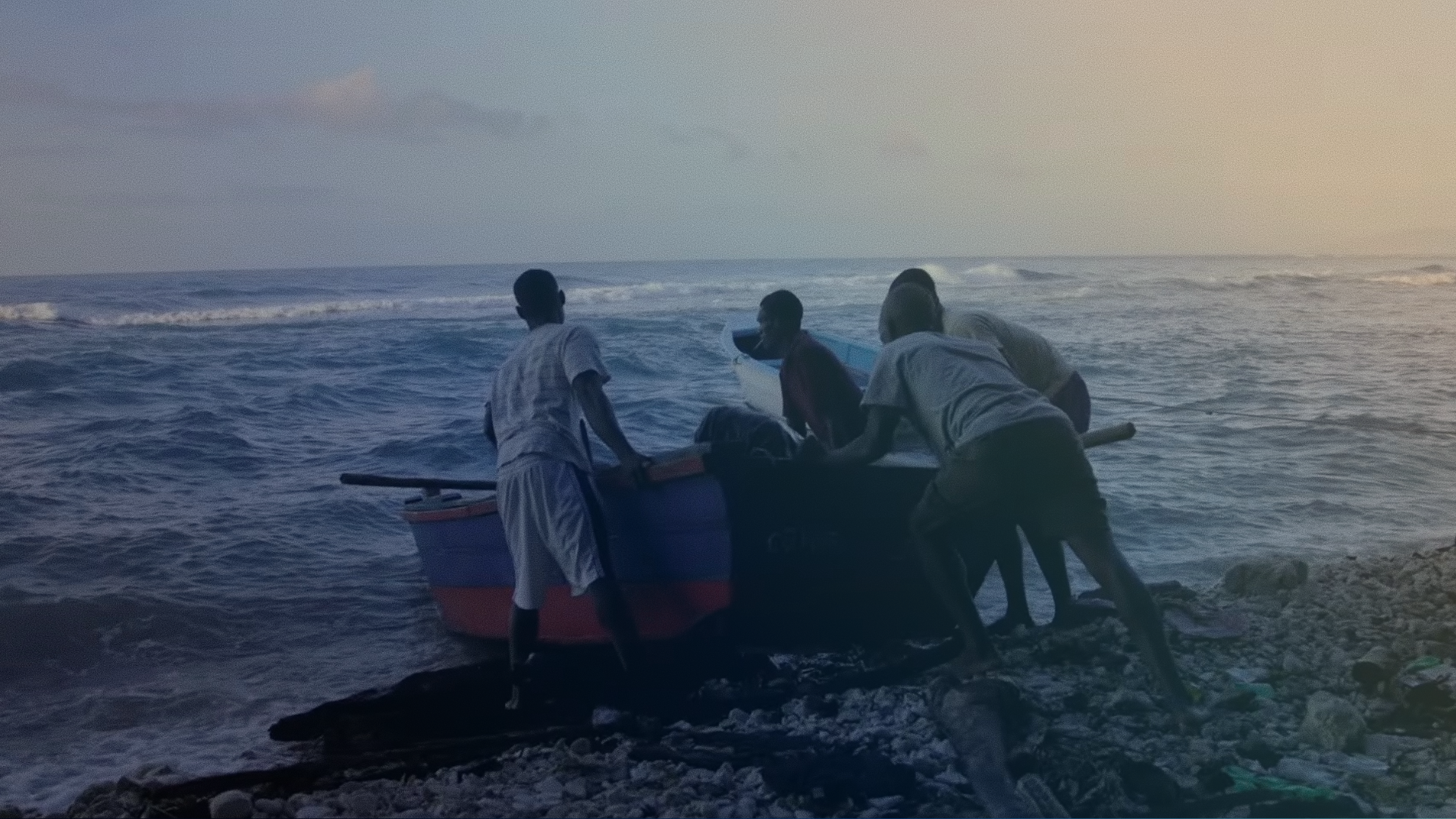
Roseline and Gabrielle are still in Haiti, as season two will pick up right after the initial plantation burnings in episode eight of season one. Jaques and Irina are still frantically looking for the girls as they simultaneously try to get Rose-Marie out of an immigrant detention center. The longer the girls are gone, the further the current day unravels, and with fewer hands to carry the load, Irina and Jaques are scrambling. Dessalines and Toussaint clash as they realize that their military tactics are not aligned. In the Revolution’s timeline, the arc of season two will move from energized, initial revolts and guerrilla warfare to the chaos that ensues from disorganization to organized military efforts, culminating in the Battle of Verières in 1803. In the current day, the time that the girls are missing will be 12 months, while the relative time for Roseline and Gabrielle is 12 years.
SUGAR IN THE RIVER CAPTURES…
— A UNIVERSAL STORY OF LIBERATION:
- In times of severe public unrest, stories of unity and self-determination give audiences a catharsis that cannot otherwise be achieved in their everyday lives
-Characters growing and bonding through their struggles of fighting their oppressors contains a level of universality that resonates with wide audiences
–TIMELESSNESS:
-Observations of the intersections of colonial historical trauma, racism, and immigrant perspectives speak to current, real-world events and the experience that many people across the Americas face today
–SPECTACLE:
-Super 16mm film to capture the grainy, dreamy, yet also organic quality of the worlds within the show
-Wide landscapes and battle scenes matched with a striking exhibition of the Caribbean and Haitian life
–ORIGINALITY:
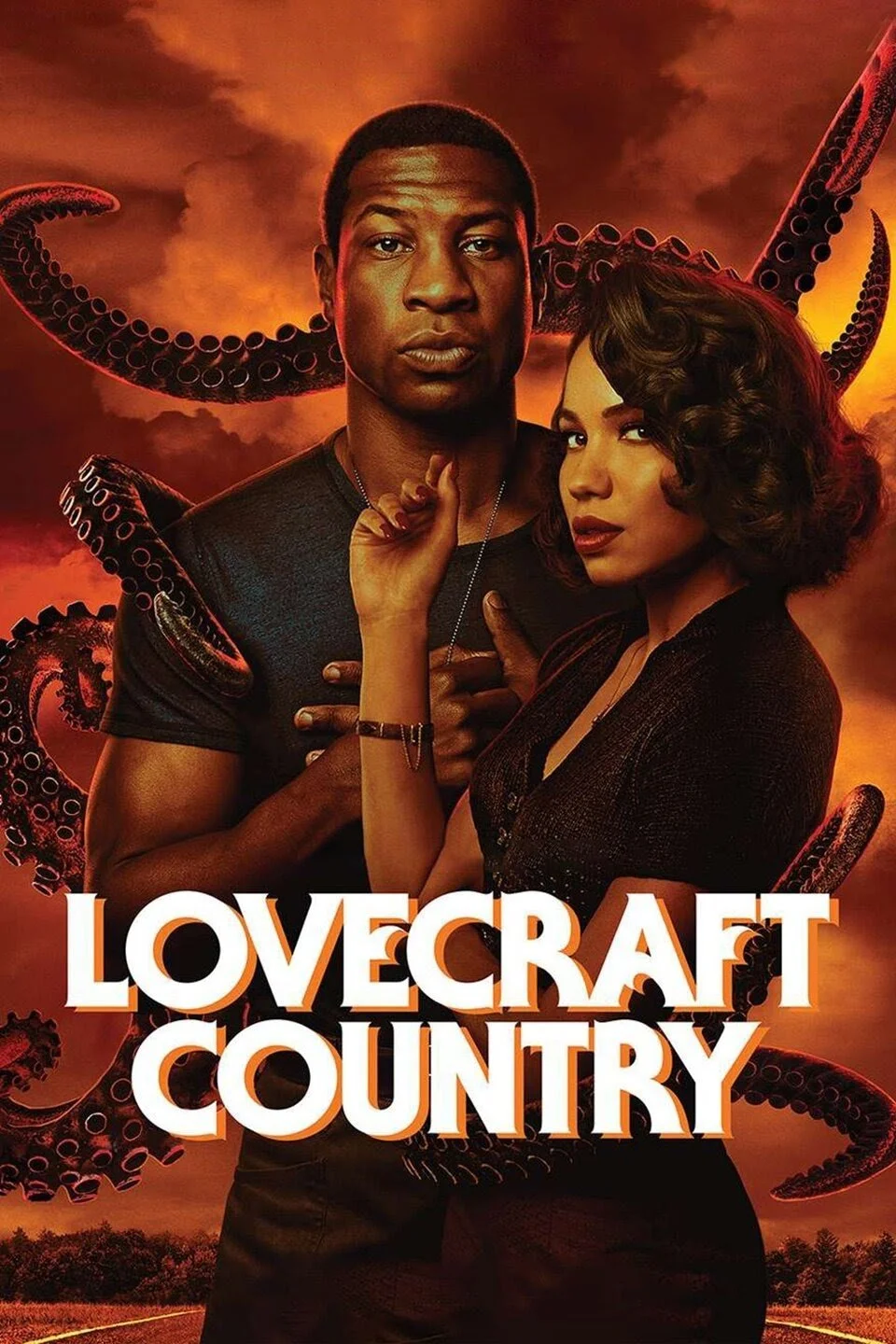
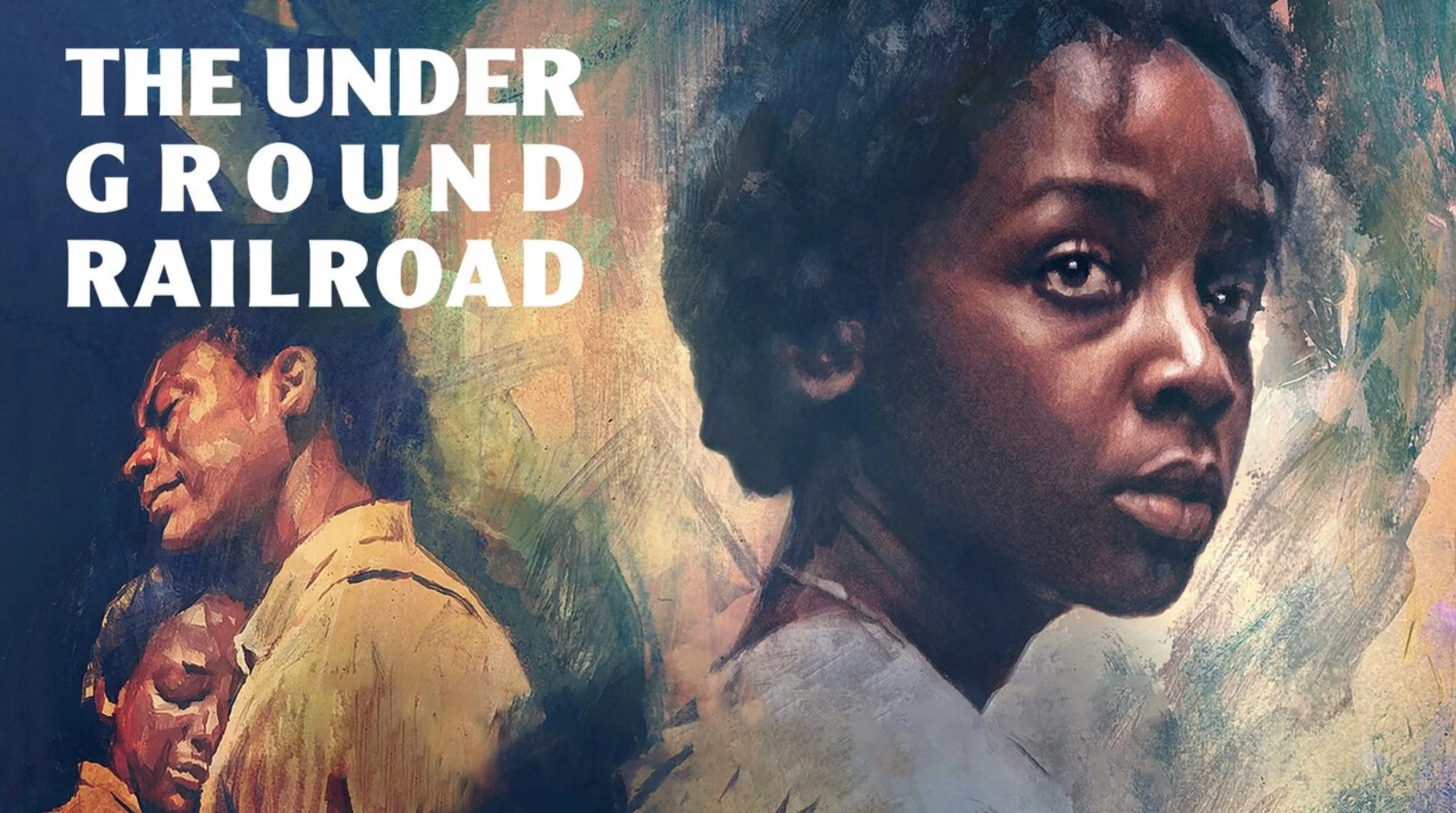
-While we’ve seen theatrical spectacles such as ‘Black Panther’ or ‘The Woman King’ that connect the Black diaspora, we have yet to see mainstream television content that stitches the threads of Blackness, Indigeneity, ancestry, and sacred ties to the earth, paired with further character development or audience investment
These aren’t personal sensitivities that should be kept private; they're points of connection that many of us feel, who have migrated to the U.S., whether by choice or by force.

TARGETED AUDIENCE
Primary: 16 - 35-year-olds. Digitally native, versed in current public discourse, pressured to build better societal relations.
Secondary: 35 - 50-year-olds. Millennials and Generation X who have general historical knowledge of the Caribbean and want to be entertained with a Black story.
SUGAR IN THE RIVER offers exponential entertainment value for both of these groups, making it an insightful and binge-worthy watch.
Beyond learning lessons of morals or clear-cut endings, SUGAR IN THE RIVER lets audiences feel seen and understood through the complexities of their identities.
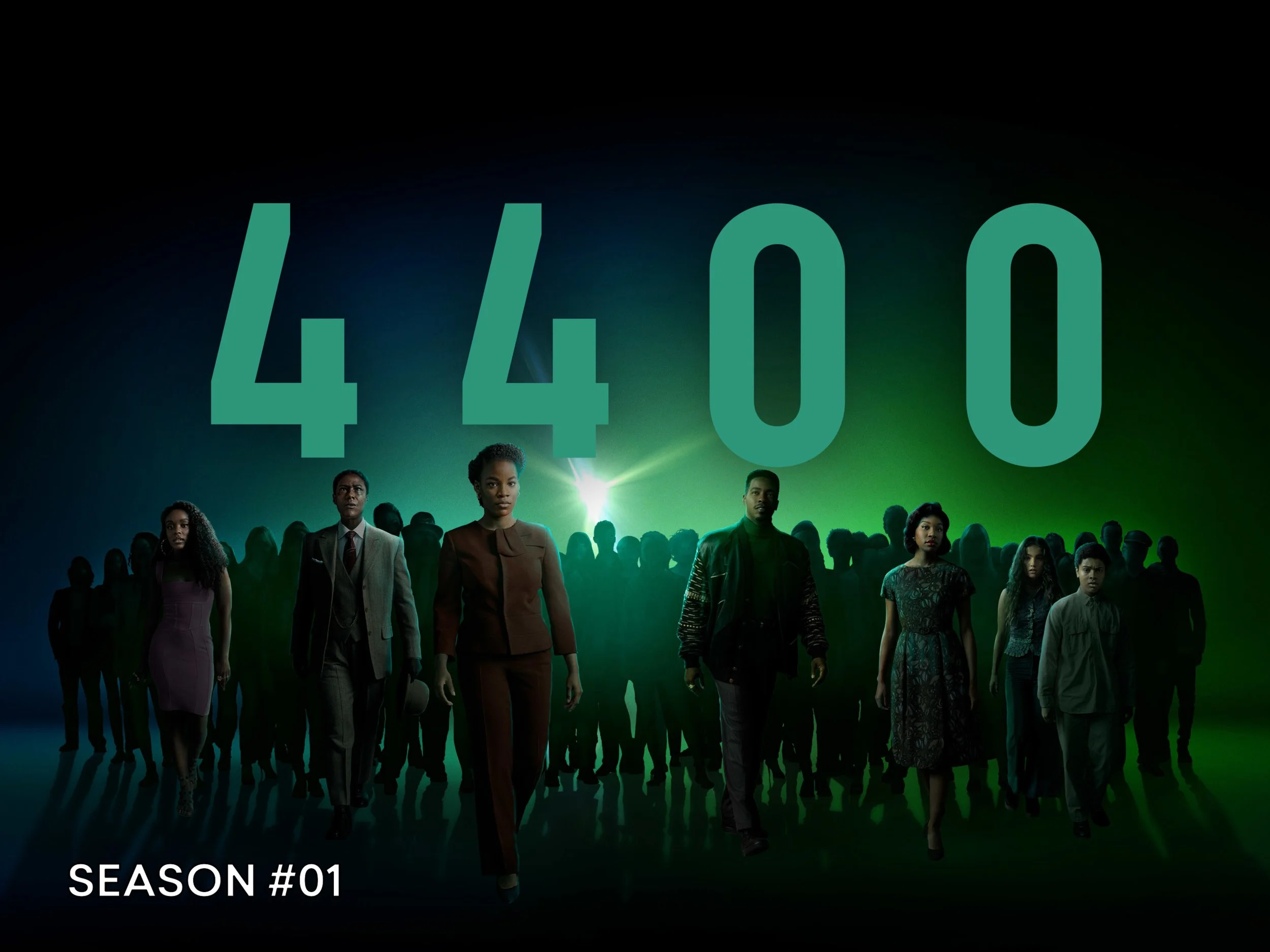
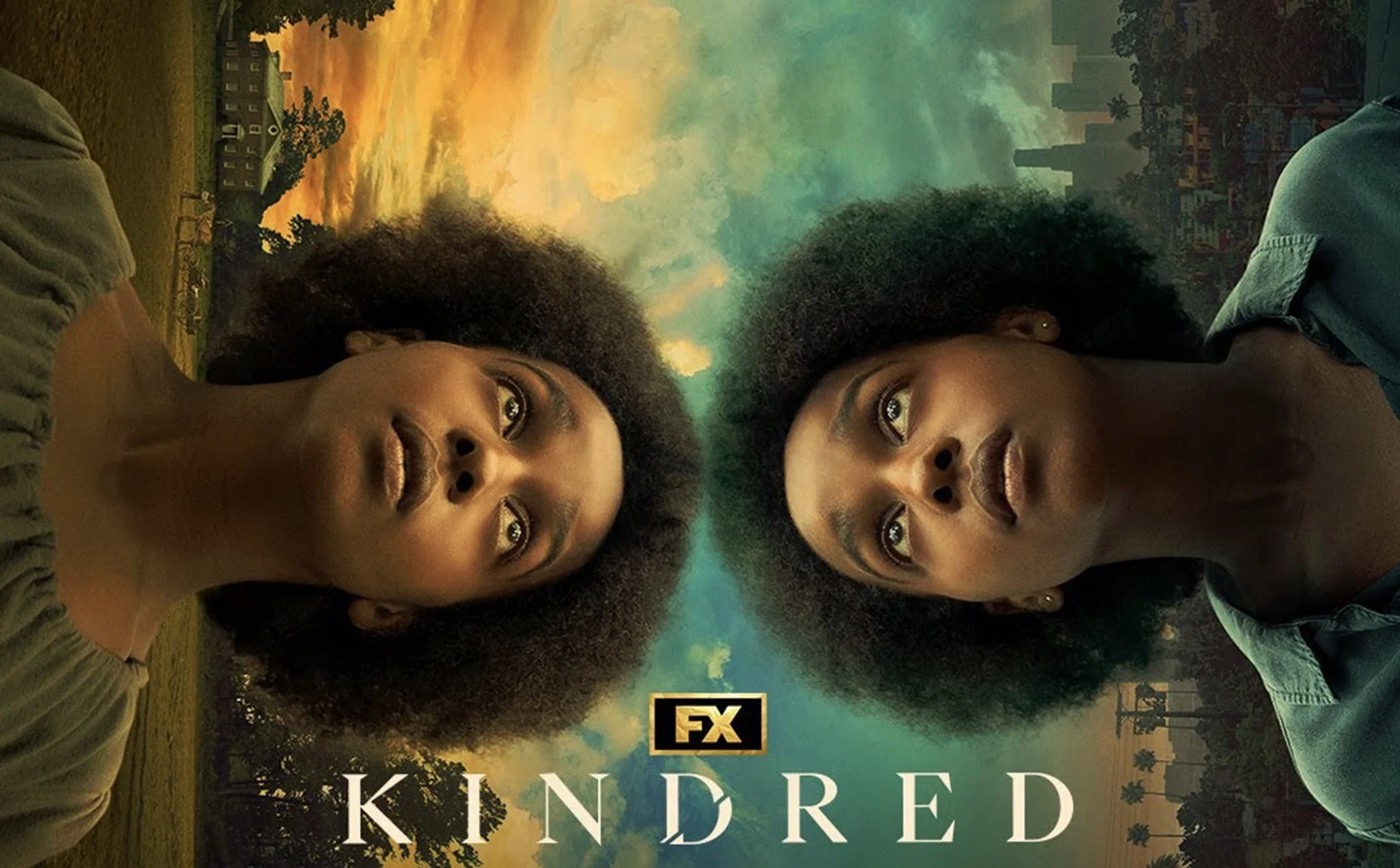
SUGAR IN THE RIVER fills the market gap for diverse, fantastical stories. This isn’t an early-2000s PBS docuseries that promises to be educational in the traditional sense, but a story that weaves the fantastical in with the everyday and historical experiences of the Black diaspora.
COMPS

SUGAR IN THE RIVER PLAYLIST
The
Creator
Community Made, Rooted in Memory
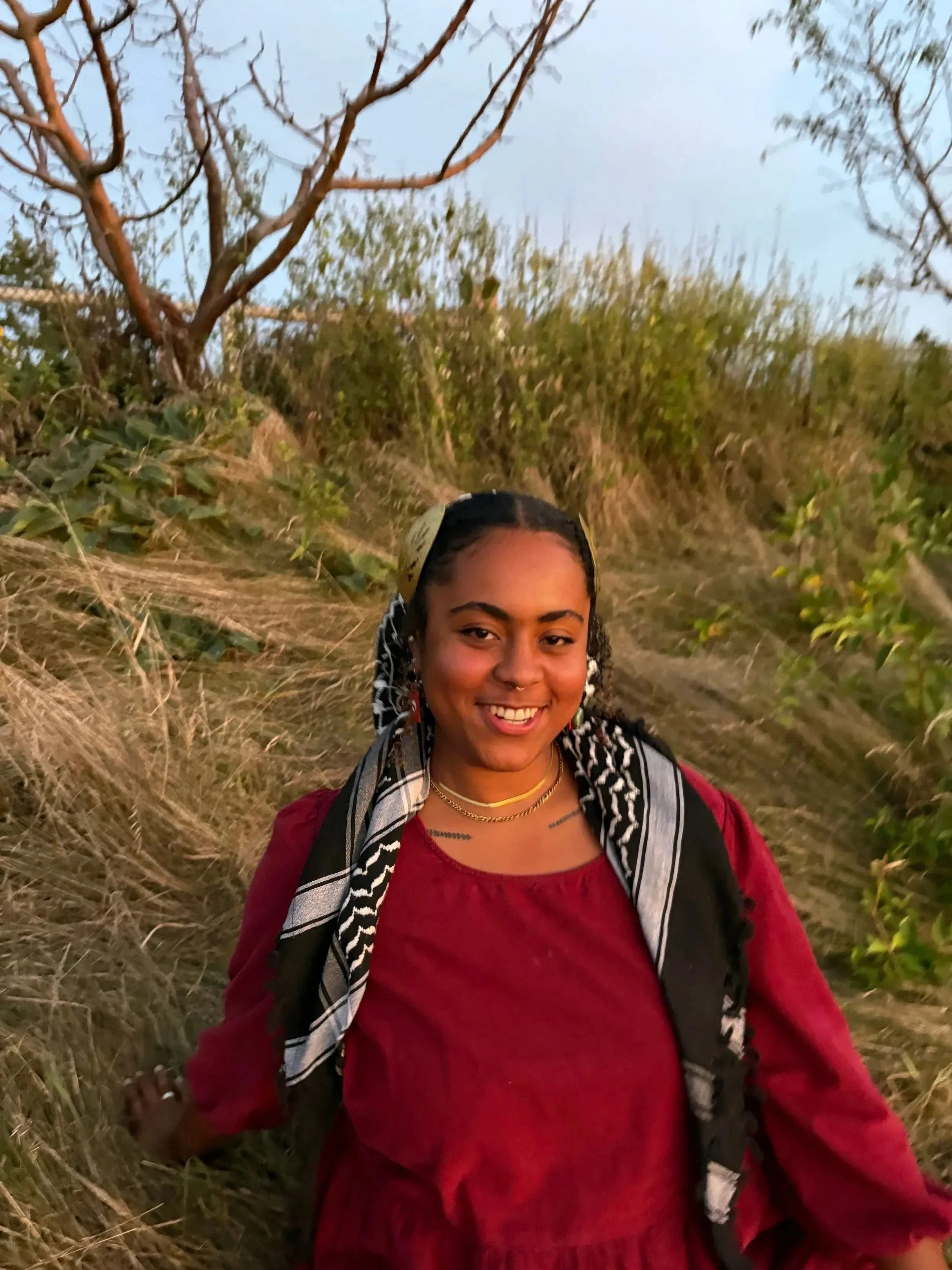
Sascha Drice is a first-generation Haitian-American who grew up in Maine. She is a writer, filmmaker, and musician. Growing up and existing in D.I.Y. spaces, a culture of making it by any means and without any means, is deeply rooted in her creative practice. She has directed several of her own crowd-funded music videos and short films. She believes that to dream of futures worth living in, we must first reconcile with the past. Her Haitian roots have long inspired her work, as she tells stories with strong themes of colonial resistance, liberation, and connection to the divine. As it is diffusely woven through Black art, she sees that sovereignty is the multi- and inter-generational goal of Black folks and those who have experienced the dispossession of their ancestral identity.
She is currently directing her first documentary in New Zealand, following the Indigenous Māori activists who redacted their Treaty with the British Crown.